Social media has become part of how university students build friendships, express emotions, and stay connected. But a recent study involving Malaysian university students suggests that sharing more online does not necessarily lead to stronger peer relationships.

Associate Professor Dr Ng Miew Luan from the Faculty of Education and Liberal Arts, INTI International University, is among the researchers involved in the study titled “The Effect of Self-Disclosure Behaviours in Social Media on Peer Dynamics among University Students.” .
Instead, the study found that the quality, context, and intention behind online sharing matter more than the number of topics students choose to disclose.
The study, titled “The Effect of Self-Disclosure Behaviours in Social Media on Peer Dynamics among University Students,” was conducted by a group of researchers, including Associate Professor Dr Ng Miew Luan from INTI International University. It examined how students’ self-disclosure on social media affects their relationships with peers.
Involving 175 Malaysian university students, the study looked at four aspects of online self-disclosure: breadth, depth, appropriateness, and intent. The findings showed that depth, appropriateness, and intent had a positive and significant impact on peer dynamics. At the same time, breadth, or sharing a wider range of topics, did not necessarily strengthen relationships.
The issue is especially relevant for university students, who are often navigating friendships, identity, academic pressure, and the transition into adulthood while deciding how much of their personal lives to make visible online. While social media can support connection, it can also create misunderstanding when communication lacks context or sensitivity.
According to Associate Professor Dr Ng, the study was inspired by the growing role of social media in students’ daily lives and the need to better understand how online sharing shapes friendships.
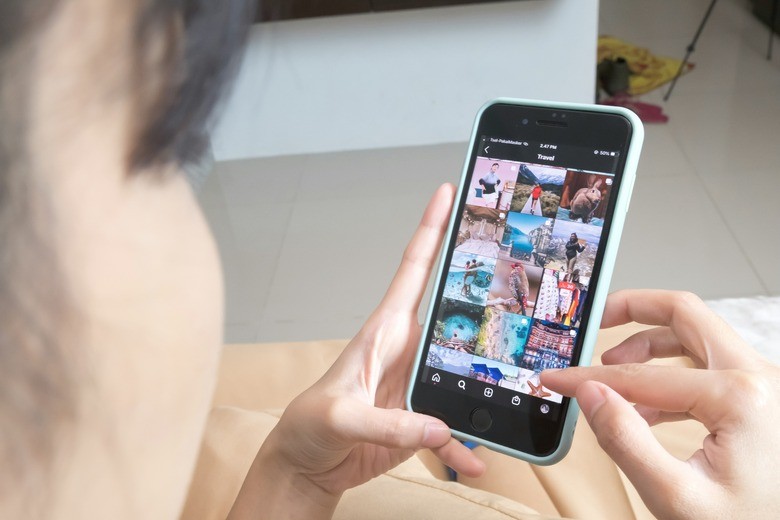
The study highlights how university students’ online sharing behaviours can influence peer relationships, depending on the depth, appropriateness, and intent of their disclosures.
“The inspiration came from observing how university students increasingly share personal information on social media and how these online disclosures influence their friendships and peer relationships. We noticed that previous studies produced inconsistent findings and largely focused only on the breadth and depth of disclosure,” she said.
“Therefore, we wanted to explore not only what students share, but also whether the appropriateness and intention behind their disclosures affect peer dynamics in the Malaysian university context,” she explained.
In practical terms, sharing personal thoughts, experiences, and emotions online can strengthen peer connections when the sharing is meaningful, appropriate, and guided by the right intention. At the same time, students need to be aware of digital boundaries, especially when posts may be viewed, interpreted, or shared beyond their intended audience.
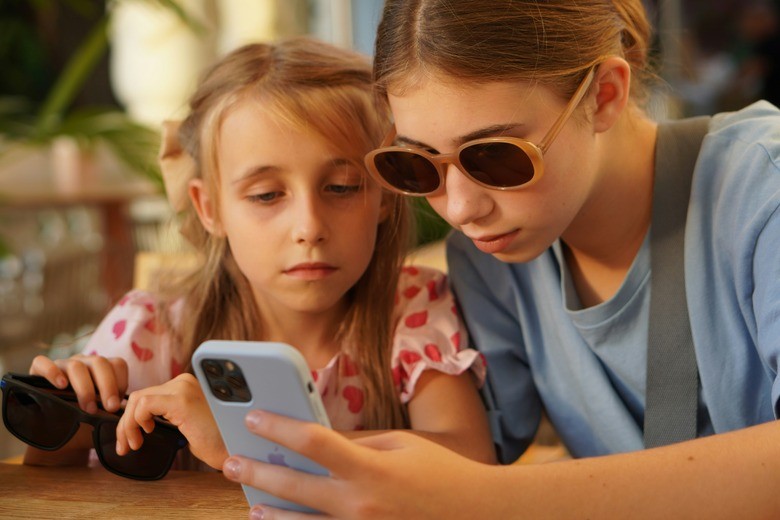
As social media becomes part of everyday student life, the findings point to the importance of digital boundaries, thoughtful communication, and meaningful online interactions.
The research also offers useful insights for educators, counsellors, student support teams, and organisations working to promote healthier digital communication. As universities continue to promote digital literacy and student wellbeing, the findings suggest that students may benefit from learning not only how to use social media safely, but also how to communicate thoughtfully in online spaces.
Rather than framing online sharing as something students should avoid, the study points to a more balanced approach. Online friendships are still shaped by the same values that guide face-to-face communication: trust, respect, and consideration. For university students, the issue is not whether they should share online, but whether they are sharing in ways that build understanding rather than create distance.