Chemotherapy remains an important part of cancer treatment and has improved outcomes for many patients. Yet one major challenge remains: the drugs used to kill cancer cells can also affect healthy ones.

Prof Goh Khang Wen, Pro Vice-Chancellor of Global Engagement at INTI International University, co-authored a review on the potential of PEGylated chitosan nanoparticles in targeted drug delivery for cervical and lung cancers
As cancer continues to place a major burden on global health, researchers are looking for ways to make treatment more targeted and less burdensome for patients. While improvements in screening, diagnosis and treatment have increased survival rates for many cancers, reducing the side effects of treatment remains an important goal.
Because chemotherapy travels throughout the body, many patients may experience side effects such as hair loss, nausea, fatigue and weakened immunity. While chemotherapy remains one of the most effective tools in cancer care, researchers are exploring how existing medicines can be delivered more precisely without reducing their effectiveness.
One promising area involves the use of nanoparticles, tiny particles thousands of times smaller than the width of a human hair, to carry cancer drugs closer to tumour sites. Instead of relying only on medicine circulating widely through the body, these microscopic carriers are designed to improve how drugs are delivered and released, potentially increasing their effect on cancer cells while reducing unnecessary exposure elsewhere.
This area is the focus of a review co-authored by Prof Goh Khang Wen, Pro Vice-Chancellor of Global Engagement at INTI International University. The paper examines advances in PEGylated chitosan nanoparticles and how they may improve targeted drug delivery for cervical and lung cancers.

Chitosan, a biodegradable material produced from chitin found in the hard outer shells of crustaceans such as shrimp, crabs and lobsters, is being studied for its potential in targeted drug delivery.
By bringing together findings from studies conducted around the world, the review provides an overview of progress in this field while identifying challenges that remain before the technology can move closer to clinical use.
At the heart of this technology is chitosan, a biodegradable material produced from chitin, the natural substance that forms the hard outer shells of crustaceans such as shrimp, crabs and lobsters. Chitosan has attracted research interest because it is biocompatible, biodegradable and can be broken down by the body after delivering its payload.
This makes chitosan useful as a drug carrier. Researchers can adjust the particles’ size, surface properties and drug-loading capacity for different therapeutic applications, while helping protect medicines as they travel through the body.
To make these nanoparticles more effective, researchers coat them with polyethylene glycol, or PEG. This coating acts like a protective shield, helping the particles remain in the bloodstream for longer by reducing the chance of being recognised and removed too quickly by the body’s immune system. The longer they circulate, the greater their potential to reach tumour sites. The particles can also be modified to target specific cancer cell markers, allowing drugs to be delivered more selectively.
Prof Goh said advances in cancer treatment are no longer focused only on developing new medicines, but also on improving how those medicines are delivered.
“Many cancer drugs are already highly effective,” he said. “The challenge is making sure they reach the right place at the right time while minimising unnecessary exposure to healthy tissue. Targeted drug delivery is an important step towards achieving that goal.”
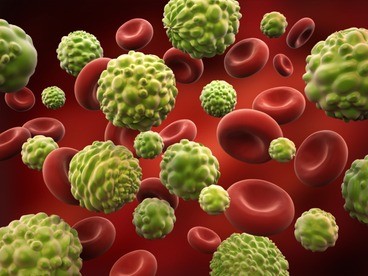
The review highlights how PEGylated chitosan nanoparticles may help improve drug stability, extend circulation time and support more selective delivery of cancer medicines.
The review highlights studies showing that PEGylated chitosan nanoparticles can improve drug stability, extend the time medicines remain in circulation and enhance their uptake by cancer cells. By protecting medicines from breaking down too quickly and helping them accumulate closer to tumours, these delivery systems may allow treatments to work more efficiently.
In studies involving cervical and lung cancers, the technology demonstrated encouraging potential to improve treatment effectiveness while reducing unwanted toxicity compared with conventional drug delivery methods.
Although PEGylated chitosan nanoparticles remain at the research stage, they represent part of a growing shift towards precision medicine, where treatments are designed to be more targeted, personalised and effective. Review papers such as this help consolidate current knowledge, identify research gaps and guide future studies into safer and more effective cancer therapies.