Plastic food packaging is part of everyday life, from takeaway containers and cling wrap to snack wrappers and produce trays. Most are used briefly, then thrown away.
As concerns over plastic waste continue to grow, researchers are studying whether materials derived from the ocean could offer a more sustainable alternative. Seaweed and crustacean shells contain natural compounds that can be turned into biodegradable films, coatings, pouches, and food containers.

Dr Choo Wou Onn, Senior Lecturer from the Faculty of Data Science and Information Technology at INTI International University, collaborated with an international team of researchers to examine scientific advances in marine-based biodegradable packaging.
This possibility is the focus of a collaborative review involving Dr Choo Wou Onn, Senior Lecturer from the Faculty of Data Science and Information Technology at INTI International University, and an international team of researchers from institutions across Asia, the Middle East, and other regions.
The review examines scientific advances in marine-based biodegradable packaging and how these materials could support efforts to reduce plastic pollution.
“Plastic packaging has transformed the way food is stored, transported and preserved. However, the environmental impact of plastic waste has also become impossible to ignore,” said Dr Choo.
Unlike conventional plastics, which are manufactured from fossil fuels, marine-based packaging uses naturally occurring biopolymers found in seaweed and crustacean shells.
Brown seaweed contains alginate, while red seaweed provides carrageenan and agar, natural compounds already widely used in the food industry as thickeners and stabilisers. Shrimp and crab shells contain chitin, which can be converted into chitosan, a biodegradable material with natural antimicrobial properties.
Once extracted, these compounds can be blended with other natural ingredients and processed into different forms of packaging. Some formulations are flexible enough to wrap fresh produce, while others can be developed into pouches, food trays, or takeaway containers.
Researchers are also studying edible coatings that can be applied directly onto fruits and vegetables, creating a thin protective layer to help extend freshness.
“These materials already possess many of the characteristics required for food packaging,” Dr Choo explained. “Certain marine biopolymers naturally provide oxygen barriers that help preserve food quality, while others have antimicrobial properties that can slow the growth of harmful microorganisms. Rather than starting from scratch, researchers are building on properties that already exist in nature.”
The review also connects marine-derived packaging to the idea of a circular economy, in which resources are kept in use longer rather than becoming waste. Rather than treating marine biomass or seafood processing by-products as materials of limited value, scientists are exploring how they can be turned into products with new commercial applications.
For Malaysia, the research is locally relevant. As a maritime nation with an extensive coastline, thriving fisheries, and established seaweed cultivation, particularly in Sabah, the country is well placed to explore how marine resources could support more sustainable manufacturing.
Future packaging solutions could draw from renewable marine materials already available in the region, rather than relying only on petroleum-based plastics.
However, replacing plastic packaging is not straightforward.
According to the review, the main challenges are no longer limited to science. Laboratory studies have shown encouraging results, but scaling up production remains expensive. Manufacturers must also develop cost-effective processing methods, ensure consistent product quality, comply with food safety regulations, and produce materials that can match the durability and convenience consumers expect from plastic.
Dr Choo said developing the material is only the first step. Moving from successful laboratory research to commercial production will require collaboration among researchers, manufacturers, policymakers, and industry.
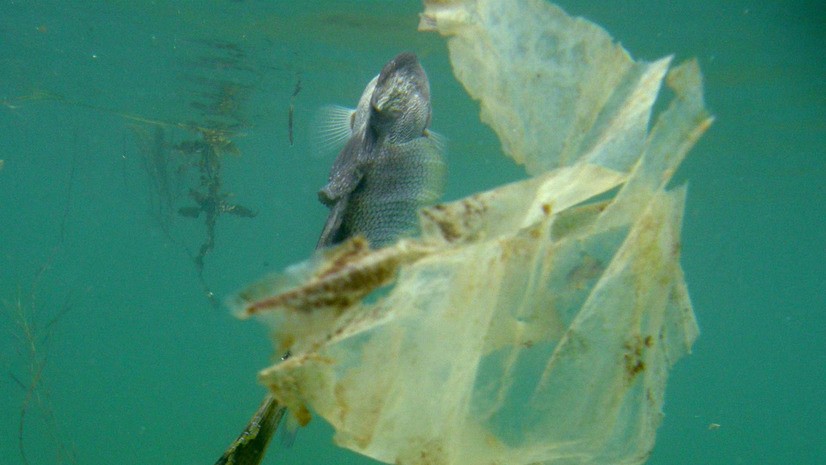
Marine-derived materials from seaweed and crustacean shells are being studied as potential alternatives to conventional plastic food packaging.
Progress is continuing as scientists combine marine biopolymers with other natural materials to improve strength, moisture resistance, and flexibility. New manufacturing techniques are also making biodegradable films and food containers more practical for commercial use.
The next time consumers pick up a punnet of strawberries or order takeaway, the packaging may look no different from what they see today. The difference may be in where it came from. Instead of fossil fuels, future food packaging could begin with materials derived from the ocean