Damage to bone, cartilage or muscle can turn an ordinary movement into a painful task. Climbing stairs, getting out of bed or returning to a favourite sport may become difficult, and helping severely damaged tissue rebuild remains a challenge.
Researchers are exploring whether shape-changing materials could help with that repair. The idea is to create printed structures that respond to particular triggers and provide conditions that help living cells develop.

Prof. Dr Asokan Vasudevan of INTI International University’s Faculty of Business and Communications explains that 4D bioprinting is being explored to address a key limitation of conventional 3D bioprinting, which can create complex structures but cannot fully replicate the dynamic nature of living tissues.
A review co-authored by Prof. Dr Asokan Vasudevan of INTI International University’s Faculty of Business and Communications examines this research’s progress.
Titled “Stimuli-responsive 4D-bioprinted constructs for musculoskeletal tissue regeneration: Shape-morphing mechanisms, cell-laden bioink engineering, and preclinical outcomes”, the paper was published in Regenerative Therapy. It brings together laboratory and preclinical studies on four-dimensional (4D) bioprinting to assess what the technology could offer and what still needs to be resolved.
Bioprinting uses printable mixtures, known as bioinks, which can contain living cells. With 4D bioprinting, researchers design materials to change in programmed ways after printing. The fourth dimension refers to that change over time.
Depending on the material, a printed structure might swell, shrink, fold or return to a programmed shape when exposed to moisture, temperature changes, near-infrared light or magnetic fields.
“With 4D bioprinting, we have the opportunity to develop smart, adaptive constructs that change shape in response to specific stimuli, better mimic natural tissues and potentially improve bone, cartilage and muscle regeneration,” said Prof Asokan.
The reason for exploring these changes lies in how cells respond to their surroundings. Alongside biological signals, physical conditions influence their development. A material’s stiffness, its structural arrangement, and the forces acting on it can all make a difference.
Researchers are studying how to use these conditions to guide cell growth and organisation. A responsive scaffold, or supporting structure, could help reproduce some of the physical cues involved in natural tissue development.
The review describes encouraging findings involving cell alignment, bone formation and cartilage development. These results come from laboratory and preclinical research; they do not establish whether the approaches will benefit human patients.
One of the main difficulties is making a structure that supports living cells while meeting the physical demands of the tissue it is intended to help repair.
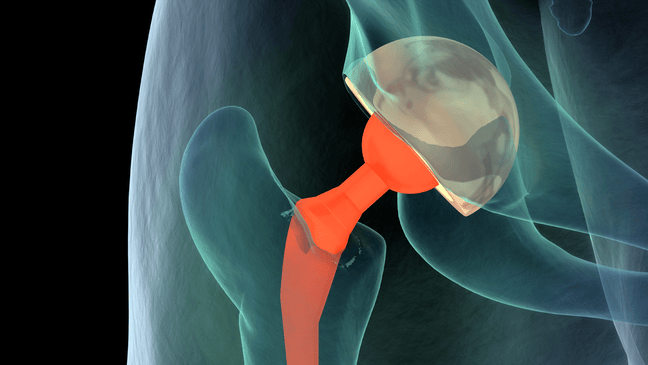
4D bioprinted constructs are being investigated in preclinical studies for musculoskeletal tissue regeneration. While early findings are promising, the technology remains early-stage and needs further validation before broader clinical use.
“Achieving the mechanical strength of natural tissues, maintaining long-term cell viability and safety, and developing bioinks that are printable, biocompatible and stimuli-responsive are among the main obstacles,” said Prof. Asokan.
Researchers also need to establish how these materials can be activated safely inside the body. A trigger must reach the intended tissue and produce a controlled response. Manufacturing consistency and a structure’s ability to maintain integrity over time are further concerns.
The review identifies multifunctional bioinks as one direction for further work. These materials could combine shape-changing properties with support for living cells and the delivery of biological signals that encourage tissue formation.
Moisture-responsive materials offer another possibility. Hydration could allow a printed structure to unfold or recover its programmed shape without an external activation device, potentially making it more practical to deploy inside the body.
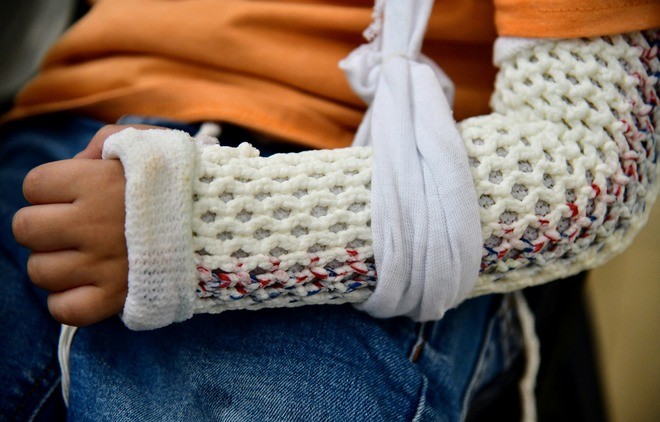
4D bioprinting explores the development of smart, adaptive constructs that respond to specific stimuli by changing shape, with the potential to mimic natural tissues better and support the regeneration of bone, cartilage, and muscle.
Whether these approaches can withstand the body’s demands and support lasting tissue repair will require further testing. The goal is to translate changes observed in experimental structures into improvements that could eventually help people regain movement and function.
“Although preliminary findings are promising, further preclinical studies are needed to establish the safety, efficacy and reliability of these constructs before they can be considered for clinical use,” said Prof. Asokan