How does a child learn to say, “This is how I feel”?
Growing up comes with many emotions, but recognising feelings such as frustration, worry or anxiety, understanding what may be causing them and knowing how to express them can take time.
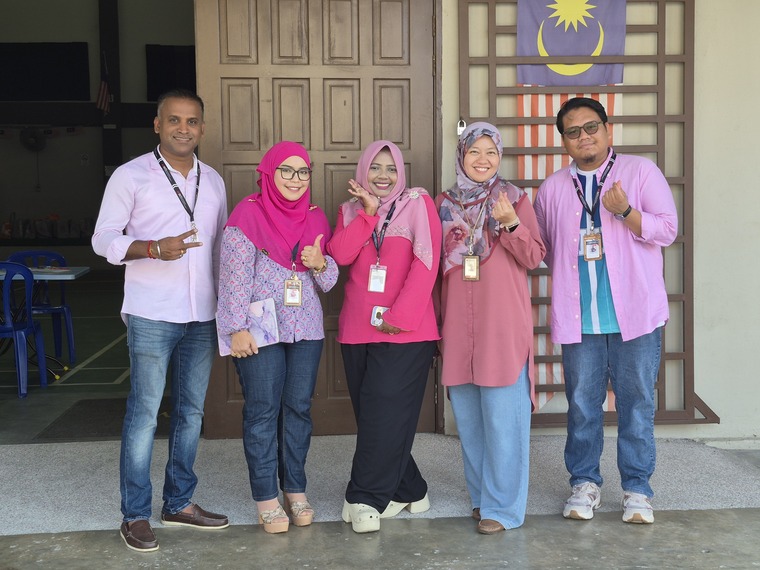
Lecturers from INTI International University’s Faculty of Education and Liberal Arts (FELA) facilitated the Smart Mind, Healthy Life Programme for 50 children from the Flat Semarak community. (From left) Prakash Kumar, Dr Wan Khairulhusna Wan Mokhtar, Azureen Abd Aziz, Mashita M Zin and Dr Muhamad Sa’dan Abdul Aziz.
Helping children become more aware of their emotions and comfortable expressing them was the focus of the Smart Mind, Healthy Life Programme, held on 22 August 2026 for 50 primary and secondary school students aged seven to 16 from the Flat Semarak community in Taman Semarak, Nilai.
The one-day programme was organised by lecturers from INTI International University’s Faculty of Education and Liberal Arts (FELA) in collaboration with the Semarak Resource Centre. This non-profit organisation provides enrichment and support for families in the area.
Through games and creative activities, the programme aimed to increase participants’ awareness of mental health and emotional wellbeing while encouraging them to recognise and communicate how they feel.
“I think it is important because children experience many emotions, but sometimes they don’t know how to understand or express them,” said Dr Wan Khairulhusna Wan Mokhtar, Programme Director and FELA Senior Lecturer. “When they learn about emotions from an early age, they can understand themselves better, manage stress, and know when to seek help. These are simple skills, but they can really help them as they grow.”
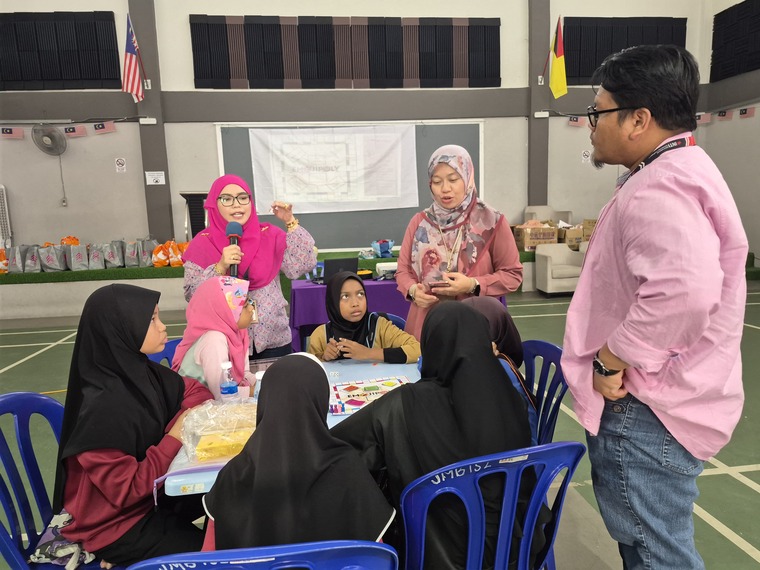
Programme Director Dr Wan Khairulhusna Wan Mokhtar said helping children recognise and express their emotions from an early age can help them understand themselves better, manage stress and know when to seek help.
One of the activities, a board game called “Emojipoly”, presented the children with different situations and encouraged them to explore how they might feel and how those emotions could be communicated.
What began with excitement over the game gradually led to greater interest in the different emotions and reactions presented during the activity, giving the children opportunities to talk about feelings and consider how they might express them.
While Emojipoly focused on emotions and reactions, another activity encouraged the children to think about personality and personal strengths. Participants drew either an original or fictional character and described its personality before sharing and discussing their characters with friends. They were also encouraged to consider the strengths they recognised in themselves.
With participants ranging from seven to 16 years old, the lecturers had to make sure the activities could engage children at different ages.
“We had both primary and secondary school students, so we needed activities that were simple enough to understand but still meaningful. We also wanted them to enjoy the programme rather than feel like they were attending another class,” Dr Wan Khairulhusna explained.
Dr Wan Khairulhusna’s emphasis on helping children understand their emotions early also comes against a wider concern over children’s mental health in Malaysia.
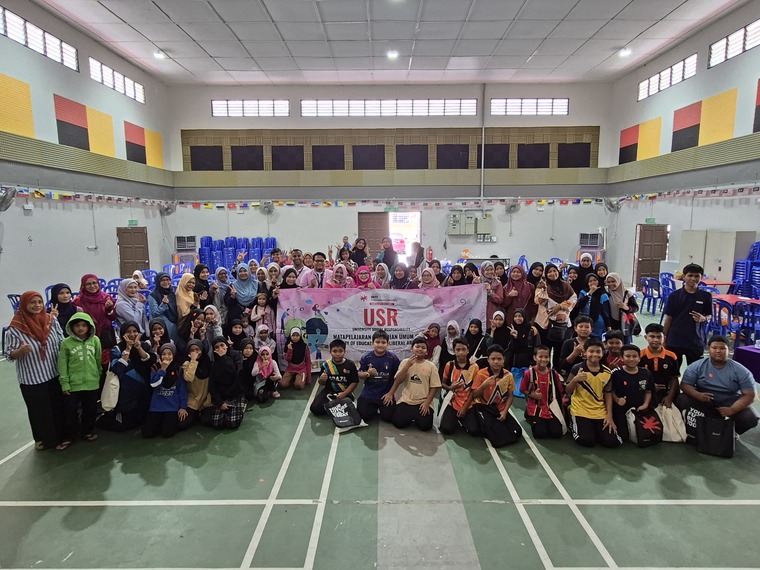
Essential daily supplies were also distributed to participating families through the collaboration with the Semarak Resource Centre, which supports the local community through basic necessities, counselling services and mental health support.
According to National Health and Morbidity Survey 2025 statistics cited by Health Minister Datuk Seri Dr Dzulkefly Ahmad, one in six children aged five to 15 experienced mental health problems, while 17 per cent showed emotional difficulties, which can include excessive worrying, unhappiness, nervousness and fear.
The figures provide broader context for efforts to help children become familiar with emotions and more comfortable expressing how they feel from an early age.
For the 50 children at Flat Semarak, that practice took relatively simple forms: choosing an emoji, considering how they might react to a situation, drawing a character or talking about the qualities they saw in themselves.
Each gave them an opportunity to do what the programme set out to encourage: recognise what they feel, reflect on it and find the words to express it.