Artificial intelligence is becoming increasingly common in daily life, from online banking and customer service chatbots to e-commerce recommendations and workplace productivity tools. As more businesses explore AI to improve efficiency and remain competitive, new research from INTI International University suggests that successful implementation depends as much on people as it does on technology.
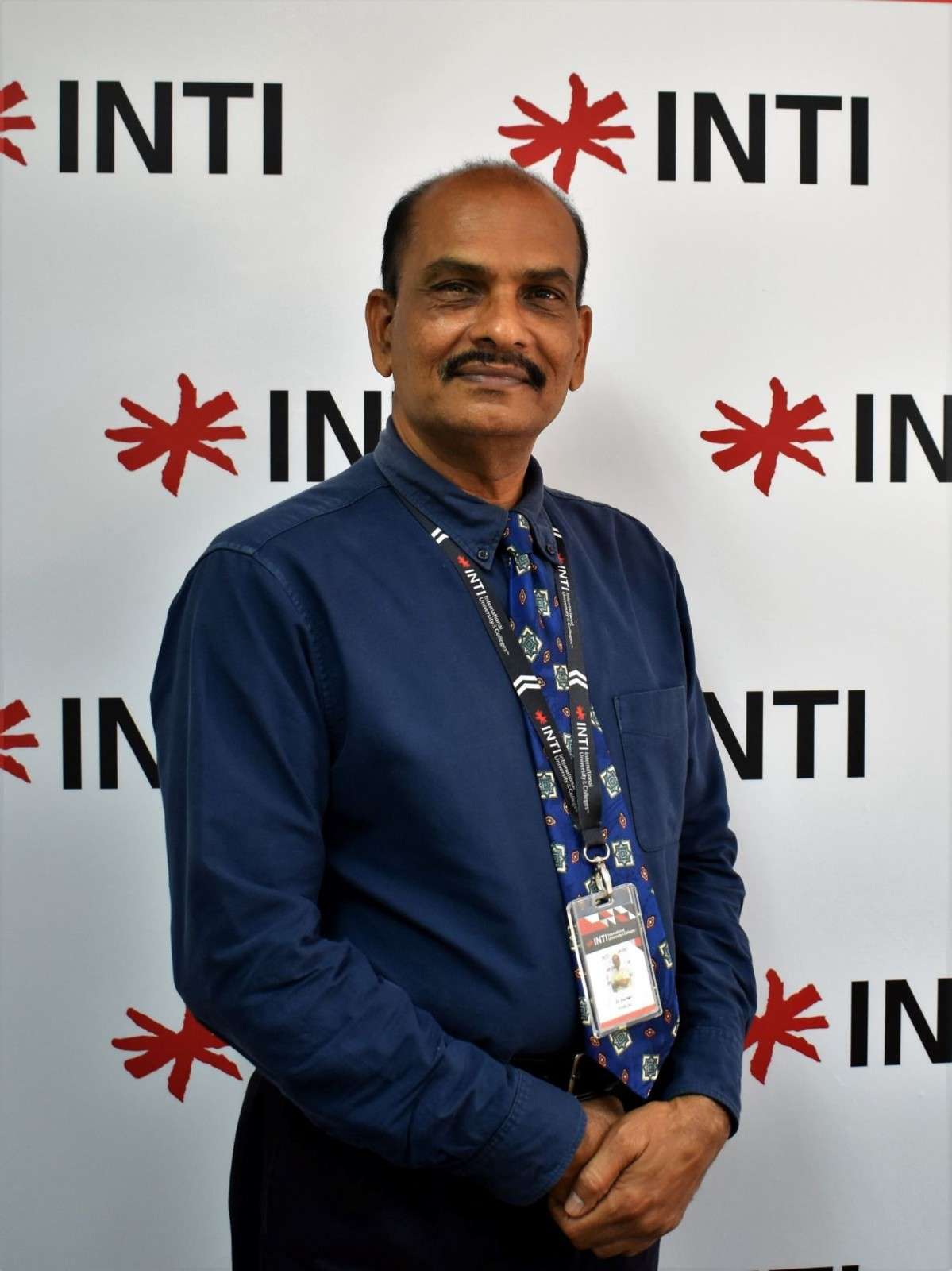
Professor Dr Asokan Vasudevan, Senior Lecturer at INTI International University’s Faculty of Business and Communication, whose research examines the opportunities and challenges faced by SMEs in implementing artificial intelligence.
The research by Professor Dr Asokan Vasudevan, Senior Lecturer at INTI International University’s Faculty of Business and Communication (FBC), examines the opportunities and challenges faced by small and medium enterprises (SMEs) in implementing artificial intelligence.
Published in the AIP Conference Proceedings, the study highlights how AI can support business operations, decision-making, customer engagement, and innovation. However, one key takeaway is that AI adoption cannot succeed through technology investment alone. Businesses must also address digital skills gaps, workforce readiness, cybersecurity risks, data governance, regulatory compliance, and ethical oversight.
For SMEs, these issues can be especially difficult to navigate. Unlike larger organisations, many smaller businesses may have limited financial resources, infrastructure, or technical expertise to support AI implementation. This means using AI effectively is not only a question of buying new tools or software. It also requires business owners, leaders, and employees to understand how AI fits into their operations and long-term strategy.
“Artificial intelligence is fundamentally changing how organisations create value. Businesses are moving beyond using AI to automate repetitive tasks and are integrating AI into strategic planning, customer experience, innovation, and competitive positioning,” said Professor Asokan.
His research suggests that organisations can no longer treat AI as a separate technology project. Instead, AI is becoming part of how businesses plan, compete, and respond to changing customer and market expectations.
At the same time, new technology can create uncertainty among employees. Some workers may worry that AI will replace human roles, while others may find it difficult to adapt to new systems without proper training and support.
According to Professor Asokan, this is why workforce readiness must be part of the conversation.
“The future of business will not simply depend on adopting AI technologies, but on how effectively organisations integrate them into their culture, operations, and long-term strategy. Human judgment, ethical leadership, and continuous learning will remain essential,” he said.
Rather than removing the need for people, AI is changing the nature of work. As routine tasks become increasingly automated, employees may be expected to take on responsibilities that require problem-solving, creativity, collaboration, communication, and strategic thinking.
This shift also has implications for graduates entering the workforce. Employers are likely to look for candidates who can combine digital literacy with human capabilities that technology cannot easily replicate.
“The organisations that thrive in the coming years will be those that embrace AI responsibly while investing equally in their people. Technology may drive efficiency, but it is human ingenuity that will determine long-term success,” Professor Asokan added.
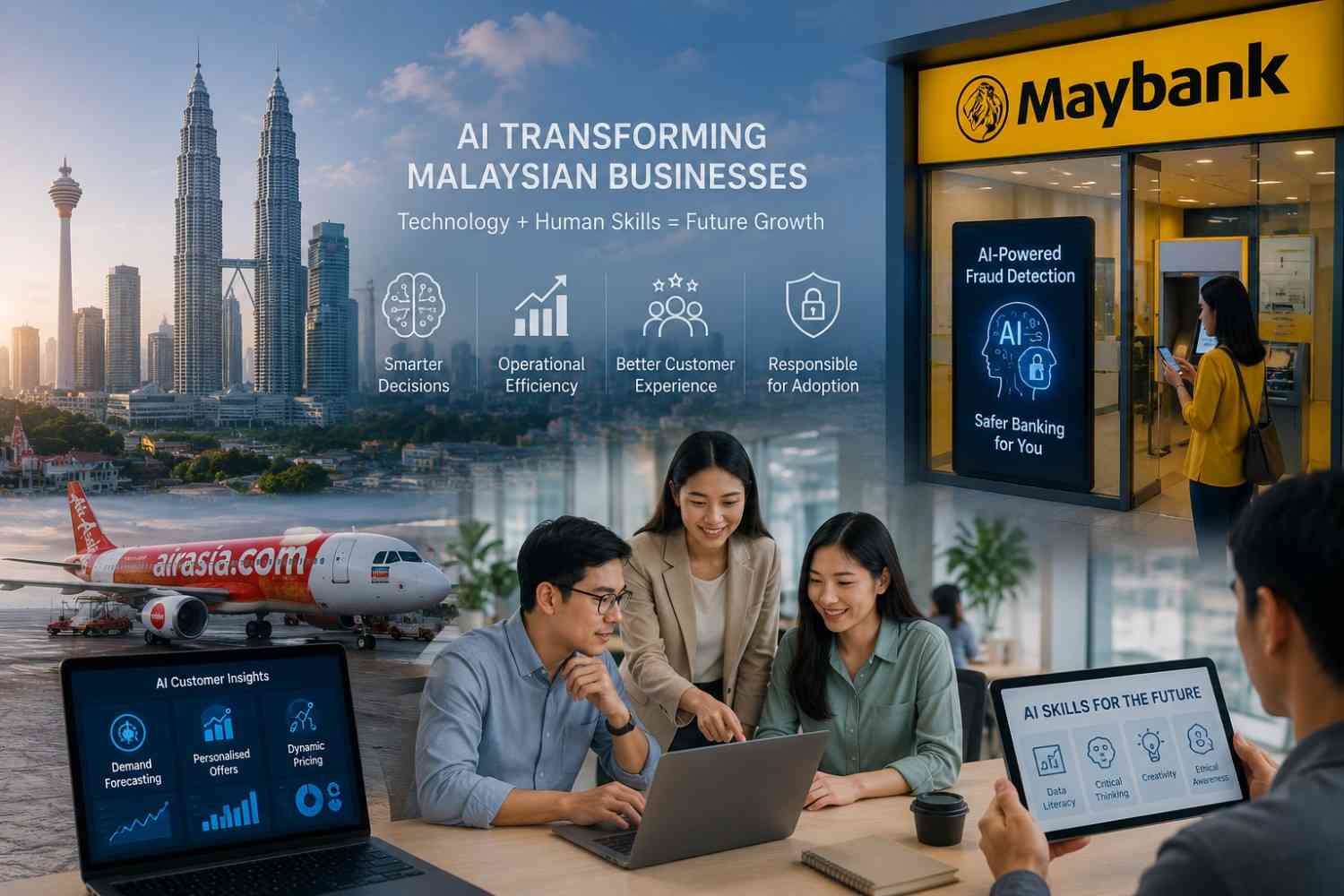
Professor Dr Asokan Vasudevan’s research suggests that AI adoption depends not only on technology but also on workforce readiness, ethical leadership, and continuous learning.
The study also points to the role of higher education in preparing future talent for an AI-driven economy. Beyond technical knowledge, universities must help students develop adaptability, critical thinking, ethical reasoning, and leadership skills that remain relevant as workplaces continue to evolve.
As Malaysia continues to advance its digital transformation agenda, the research adds to wider discussions on how businesses, educators, and policymakers can support responsible AI use. For SMEs in particular, the findings suggest that readiness should include technology investment, talent development, leadership preparation, and clear organisational direction.
Ultimately, the question is no longer whether artificial intelligence will change the workplace. The more important question is whether businesses and their people are prepared to work with it.