As Malaysian companies prepare for higher sustainability reporting expectations, one question is becoming harder to ignore: do employees understand what environmental, social and governance (ESG) principles mean for the work they do every day?
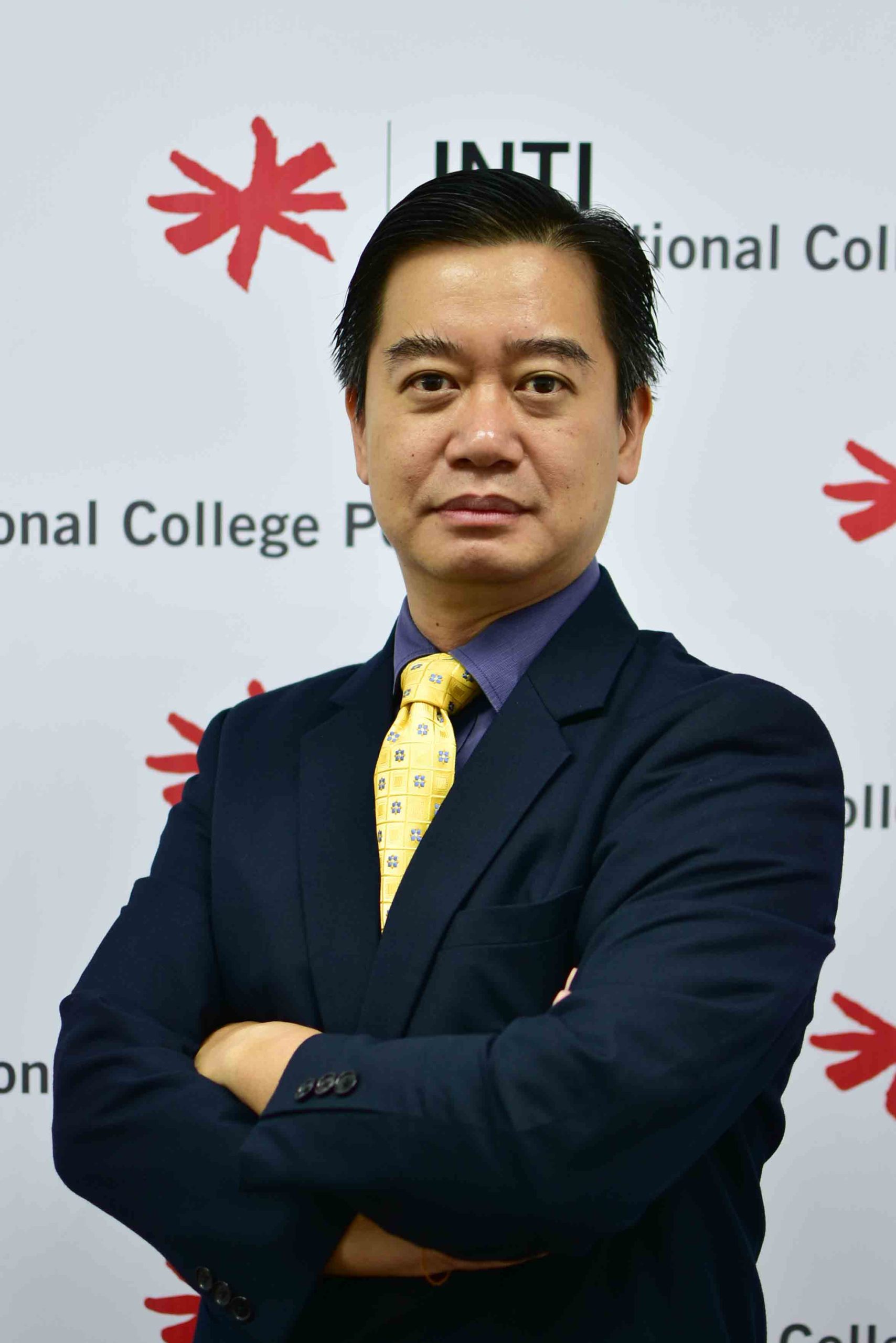
Dr Wong Teik Aun, Principal Lecturer at the Centre of Australian Degree Programmes, INTI International College Penang, led research examining the gap between corporate ESG strategies and employees’ understanding of sustainability in the workplace.
Malaysia’s National Sustainability Reporting Framework is raising expectations for sustainability disclosures, while investors are paying closer attention to companies’ ESG performance. Businesses are increasingly expected to show that sustainability is understood and applied across the organisation, not only reported once a year.
A recent PwC Malaysia assessment of the country’s 50 largest listed companies found that while organisations are making progress, Malaysia’s overall sustainability reporting readiness remains at a “Developing” level. The report noted that many companies still face challenges in integrating sustainability into decision-making, improving disclosure quality and building internal capabilities.
A regional study by Deloitte points to a similar concern. Its SEA CFO Agenda 2025 found that only 23% of Southeast Asian finance leaders have incorporated ESG into their operating models, while 80% identified talent, resources and organisational capability as major barriers to ESG implementation.
New research from INTI International College Penang suggests that one part of the challenge may be alignment of understanding within the workforce itself.
The study, led by Dr Wong Teik Aun, Principal Lecturer at the Centre of Australian Degree Programmes at INTI International College Penang, found a gap between how leaders and employees understand ESG. While senior management often viewed ESG as part of long-term business strategy, many employees saw it mainly as management-led initiatives such as recycling campaigns, staff activities or corporate policies.
“Our findings suggest organisations need to align their workforce with regards ESG policies and understand why those policies matter,” said Dr Wong.
“Companies also face the challenge of lack of alignment on ESG policies and priorities across their operating environment. For example, different clients and suppliers may have different requirements and expectations with regards ESG.”
The research was conducted through an in-depth ethnographic case study involving a Malaysian medium-sized technology company. For approximately one month, researchers combined management interviews, employee surveys, workplace observations and document analysis to examine how ESG was understood and practised within the organisation.
The findings showed a gap in understanding of ESG between leadership and employees.
Senior management consistently linked ESG to long-term competitiveness, organisational resilience and sustainable growth. Many employees, however, associated ESG with visible sustainability activities rather than the decisions made across procurement, finance, cybersecurity, human resources, product development and customer relationships.
The study does not suggest that employees oppose ESG. Instead, it found that many had limited opportunities to understand how sustainability principles relate to their own roles. As a result, ESG was often seen as management’s responsibility rather than a shared part of how the organisation works.
This gap matters because ESG performance is shaped in ordinary business decisions, not only in sustainability reports. A procurement choice, cybersecurity process, hiring practice, product decision or customer policy can all affect how seriously sustainability is practised within an organisation.
Dr Wong said ESG should not be treated only as an environmental or reporting issue.
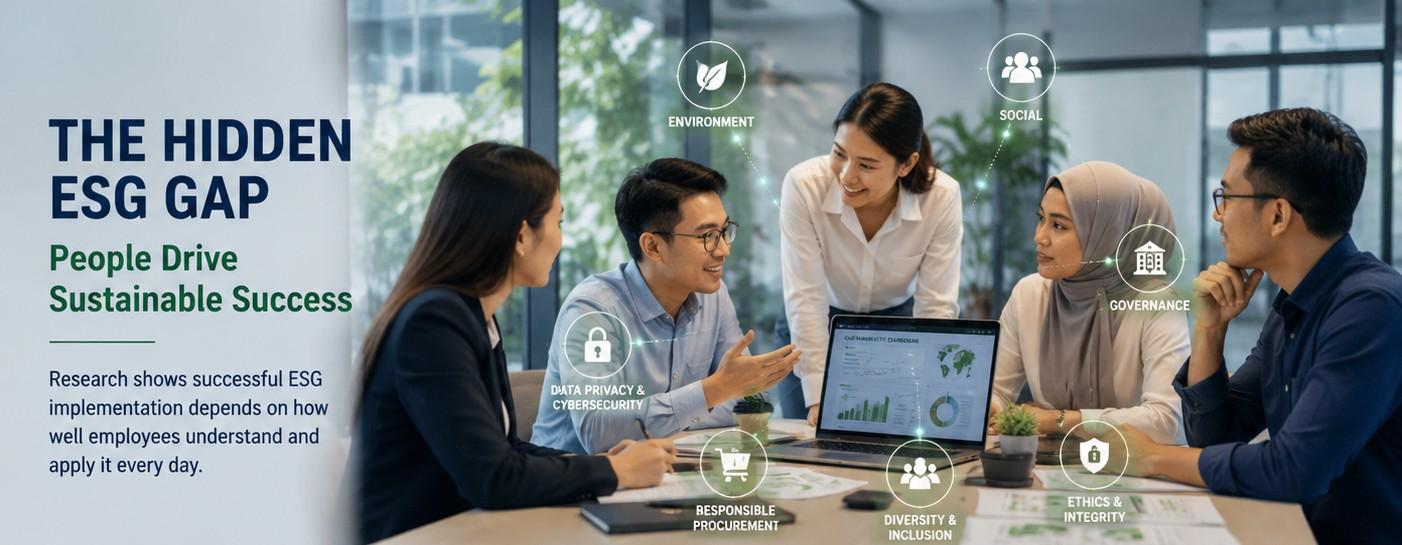
The research found that ESG progress depends not only on policies and reporting frameworks, but also on whether employees understand how sustainability principles apply to their everyday roles.
“ESG is often discussed as an environmental issue, but it is fundamentally a people issue,” he said.
“Whether someone works in procurement, finance, technology, operations, human resources or customer service, every decision contributes to an organisation’s sustainability performance. To the credit of the company studied, the leadership is aware of this gap and is actively taking many of these measures to address it.
The researchers suggest that organisations strengthen ESG capability through structured employee learning, staff participation in sustainability initiatives, and clearer links between ESG and everyday business processes.
Dr Wong said Malaysia’s next ESG achievement is unlikely to come from longer reports or additional corporate policies alone.
“It will come when every employee understands that ESG is not another corporate initiative, but an embedded working culture and way of thinking that shapes everyday business decisions,” he said.