I’m only a little tired. I can still drive.”
Many drivers have told themselves this after a long day at work, during a late-night journey, or while travelling long distances for festive seasons and school holidays. The danger is that fatigue does not always announce itself clearly before a driver loses focus.

Prof Dr Deshinta Arrova Dewi from INTI International University’s Faculty of Data Science and Information Technology led research exploring how artificial intelligence can detect early signs of driver drowsiness through real-time analysis of eye and mouth activity.
According to Associate Professor Ir Ts Dr Siti Zaharah binti Ishak, Director General of the Malaysian Institute of Road Safety Research (MIROS), microsleep accounts for around 20 per cent of road accidents in Malaysia each year. Microsleep can occur when a driver briefly loses awareness, sometimes while appearing awake, for about two to ten seconds. MIROS has also warned that the risk increases during festive seasons and school holidays, when long-distance travel, extended driving periods, and changes in routine can leave motorists more vulnerable to fatigue.
The study, “Towards Safer Roads: A Machine Learning Framework for Driver Fatigue Detection”, also notes that in Malaysia, drowsiness is estimated to cause between 2,000 and 3,000 traffic accidents annually.
For Prof Dr Deshinta Arrova Dewi from INTI International University’s Faculty of Data Science and Information Technology, these risks point to a question increasingly relevant to road safety: can technology help detect driver drowsiness before it becomes dangerous?
“Road safety is a shared responsibility, and technology has an increasingly important role to play in preventing avoidable accidents,” said Prof Dr Deshinta. “Our research was inspired by the number of traffic incidents linked to driver fatigue and the potential of artificial intelligence to detect early signs of drowsiness before they lead to serious consequences.”
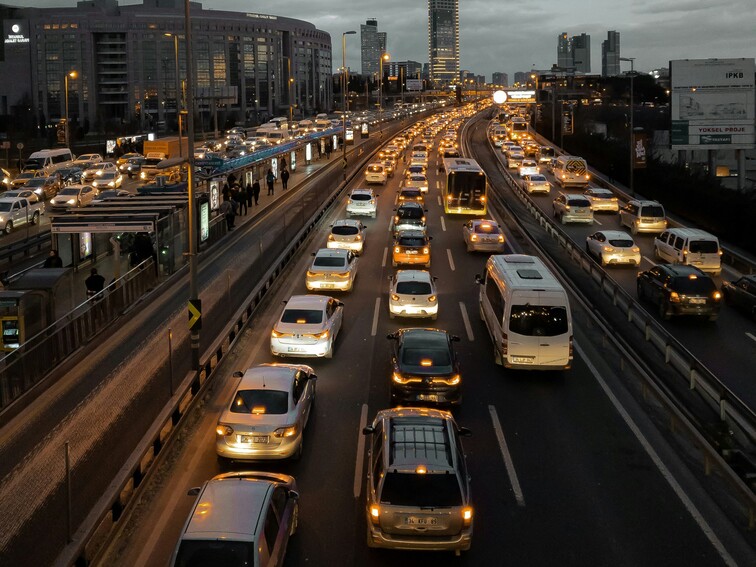
MIROS has reported that microsleep accounts for around 20 per cent of road accidents in Malaysia each year, with long-distance journeys, festive seasons, and school holidays increasing the risk of driver fatigue.
The study explores an AI-powered Driver Drowsiness Monitoring System that analyses eye and mouth activity in real time. Many vehicle-based drowsiness detection systems rely on driving behaviour such as steering patterns or lane departure. The INTI-led study focuses instead on visual cues from the driver, including eye closure and yawning, which may appear before the vehicle begins to move abnormally.
The system uses a customised Convolutional Neural Network, or CNN, to classify whether a driver’s eyes are open or closed. It also uses facial landmark analysis and Mouth Aspect Ratio calculations to detect yawning. When signs of fatigue are detected, the system is designed to alert the driver to take a break before the situation worsens.
The research was trained and evaluated using the MRL Eye Dataset, which consists of 4,000 annotated images. With data pre-processing and augmentation applied to strengthen the model, the system achieved a peak accuracy of 98 per cent during dataset-based testing, with strong precision, recall, and F1-score performance.
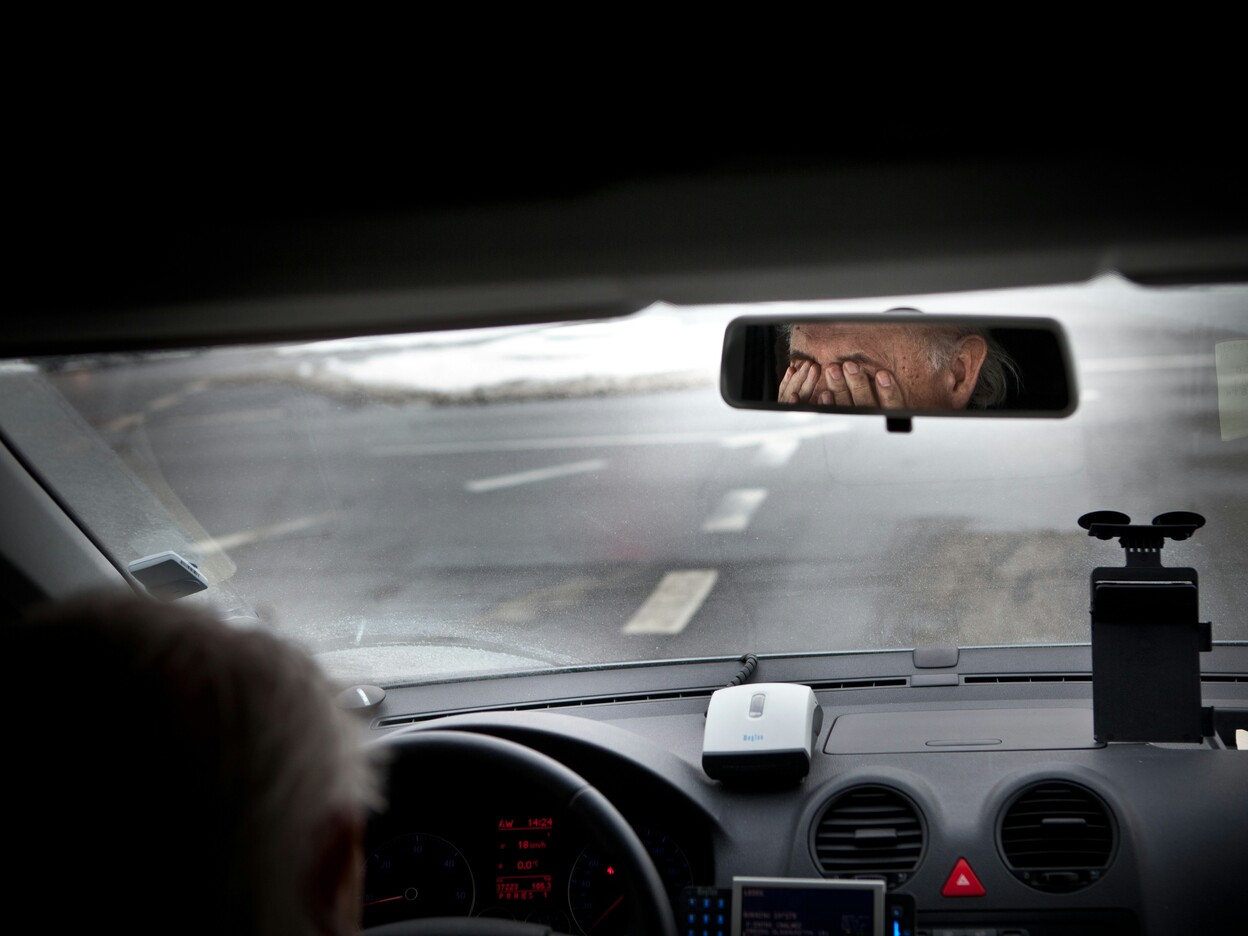
The AI-powered Driver Drowsiness Monitoring System is designed to analyse a driver’s eye closure and yawning patterns, alerting motorists when signs of fatigue are detected.
The study also reported strong real-time performance across different lighting conditions. However, the researchers noted that challenges remain in situations involving facial occlusion, such as sunglasses, and extreme head positions. Future development could include more diverse driving conditions and additional indicators, such as heart rate or steering behaviour, to improve detection.
For Prof Dr Deshinta, the value of the research lies in its potential to support earlier intervention.
“We hope this work contributes to the development of intelligent driver assistance systems that enhance road safety, save lives, and support the future of smarter and safer transportation,” she said