INTI International College Penang brought academics, educators, students, writers and literary enthusiasts together on 3 October 2026 for a national seminar exploring how reading and literature can encourage deeper thinking, cultural understanding and unity in Malaysia’s diverse society.
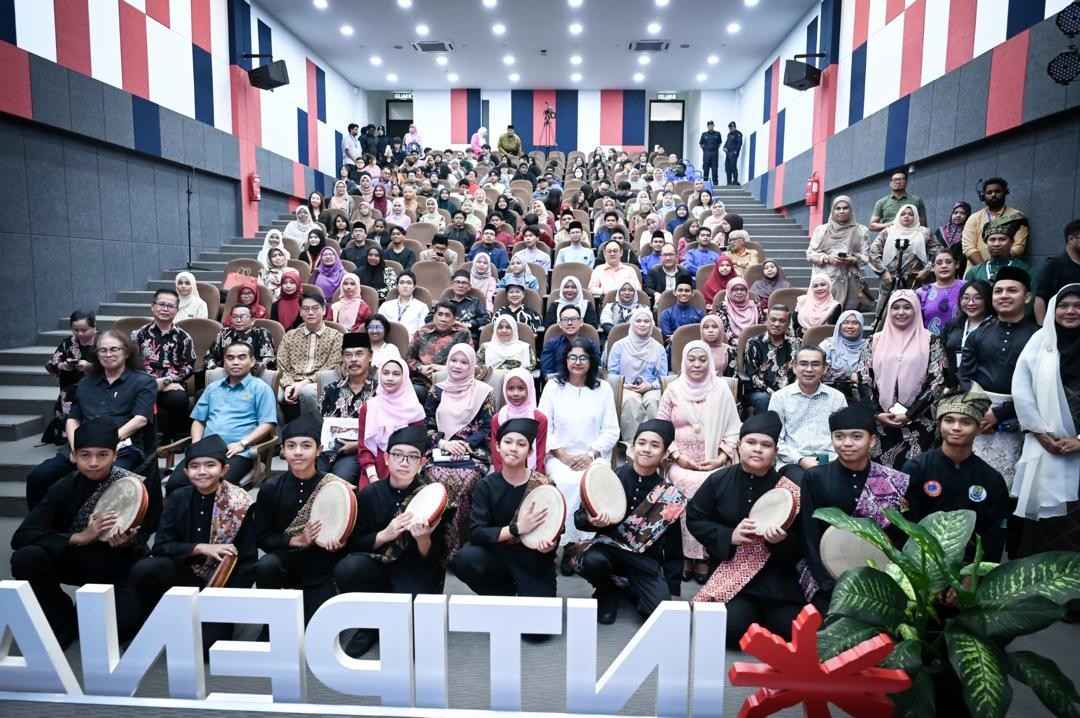
Academics, educators, students and literary enthusiasts at the Seminar Kebangsaan: Karya dan Pemikiran Lim Swee Tin (National Seminar: The Works and Thought of Lim Swee Tin), jointly organised by KARYAWAN, Dewan Bahasa dan Pustaka, INTI International College Penang and Majlis Kebudayaan Negeri Pulau Pinang.
Speaking at the Seminar Kebangsaan: Karya dan Pemikiran Lim Swee Tin (National Seminar: The Works and Thought of Lim Swee Tin), YB Datuk Seri Fadhlina Sidek, Minister of Education, said reading should extend beyond academic requirements to help develop critical thinking, civility and understanding.
“The practice of reading must go beyond basic academic needs to encourage deeper critical thinking, civility and understanding,” she said.
Fadhlina also spoke about the importance of cultivating reading habits at home and in school. She highlighted initiatives including student book vouchers, Kota Buku Mini and Kelab Perempuan Membaca as part of wider efforts to make reading more accessible and encourage stronger reading habits, particularly within families.
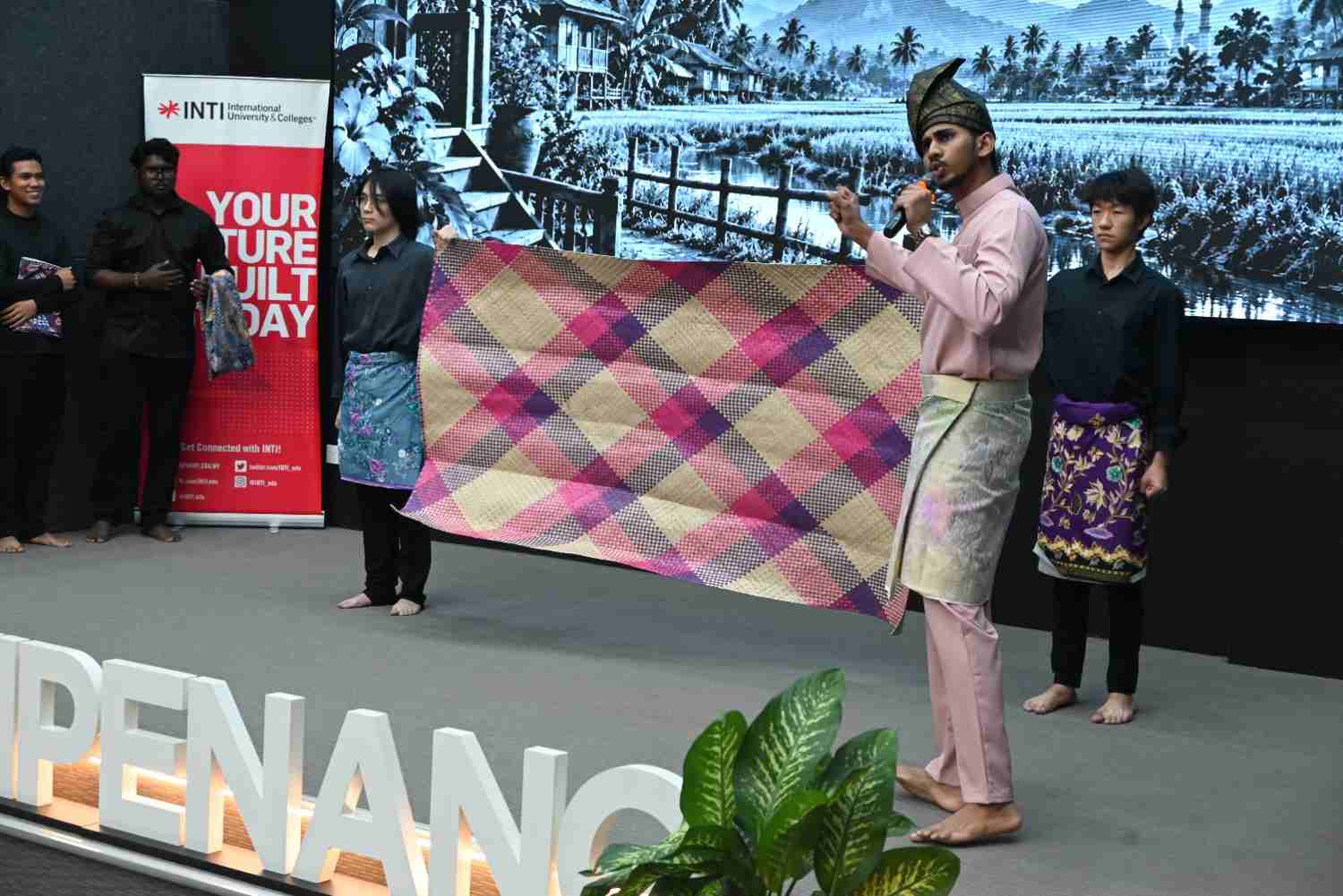
INTI students perform Lim Swee Tin’s poem “Bersila di Tikar Budaya” through DEKON, combining poetry recitation and acting around themes of cultural diversity, harmony and mutual respect.
Held under the theme “Sastera Membina Perpaduan” (Literature Builds Unity), the seminar examined the works and ideas of Malaysian literary figure Lim Swee Tin and how literature can open discussions around culture, identity, language and unity.
The programme was jointly organised by Persatuan Karyawan Pulau Pinang (KARYAWAN), Dewan Bahasa dan Pustaka (DBP), INTI International College Penang and Majlis Kebudayaan Negeri Pulau Pinang.
INTI students took Lim Swee Tin’s poem “Bersila di Tikar Budaya” off the page and onto the stage through a DEKON performance combining poetry recitation and acting. In interpreting the poem, they worked with its themes of cultural diversity, harmony and mutual respect rather than encountering them only as ideas discussed during the seminar.
The students also took part in an organisation-based project with KARYAWAN, where they applied their knowledge and skills while contributing to a programme centred on literature, culture and society.
Hemalatha Murugiah, Chief Executive of INTI International College Penang, said literature offers students a way to encounter experiences and ways of thinking that may differ from their own.
“Literature is not merely a heritage to be read and preserved. It lets us see life through others’ perspectives and understand experiences, thoughts, cultures, and human questions that may differ from our own. From that understanding come respect, empathy and togetherness.”
The seminar featured 10 academic papers and one keynote paper, with discussions spanning cultural identity, language, unity, childhood and youth poetry, and representations of Malay characters in Lim Swee Tin’s writing.
Prof Madya Dr Roahaya Md Ali of Universiti Utara Malaysia examined togetherness in Lim Swee Tin’s children’s and youth poetry, while YBrs Dr Roziah Ramli of Institut Pendidikan Guru Kampus Perlis explored expressions of unity in his selected poems.
Another paper, presented by YBrs Dr Fatihah Che Mat of Persatuan Karyawan Pulau Pinang, looked at the representation of Malay characters in Lim Swee Tin’s short stories from the perspective of a Chinese author.
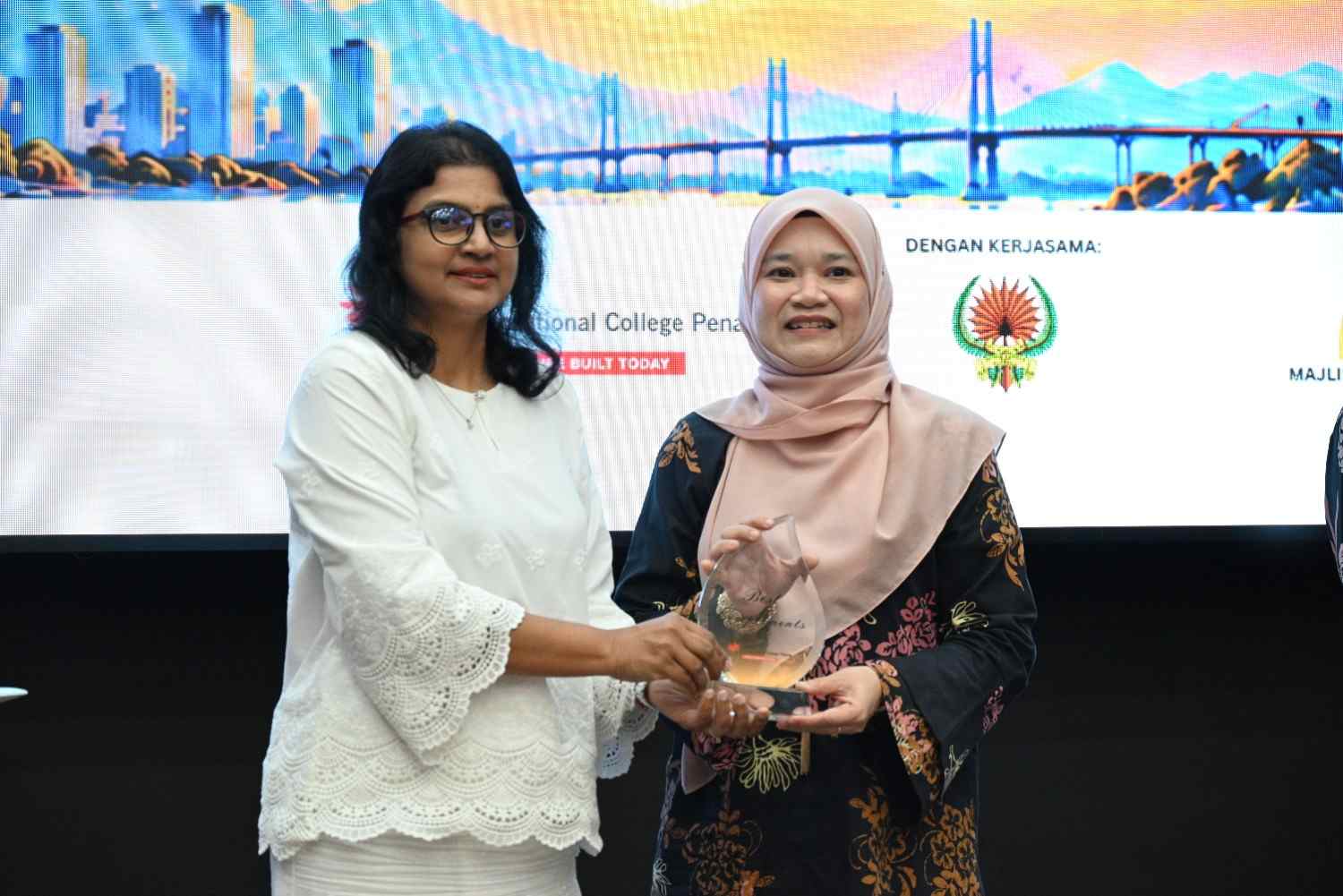
Hemalatha Murugiah, Chief Executive of INTI International College Penang, presents a token of appreciation to YB Datuk Seri Fadhlina Sidek, Minister of Education, during the Seminar Kebangsaan: Karya dan Pemikiran Lim Swee Tin.
Lim Swee Tin also delivered the keynote address, “Bahasa Melayu dan Perpaduan Kaum”, and later read selections of his poetry.
The seminar closed with Fadhlina returning to one of the day’s central ideas: that reading habits matter not simply because people should read more, but because of how carefully they read and what they can understand from it.
For the students who had spent part of the programme interpreting Lim Swee Tin’s work for the stage, that idea had already been put into practice