For people who are deaf or hard of hearing, everyday conversations are not always straightforward. A simple exchange in a classroom, workplace, clinic, or public space can become difficult when the other person does not understand sign language.
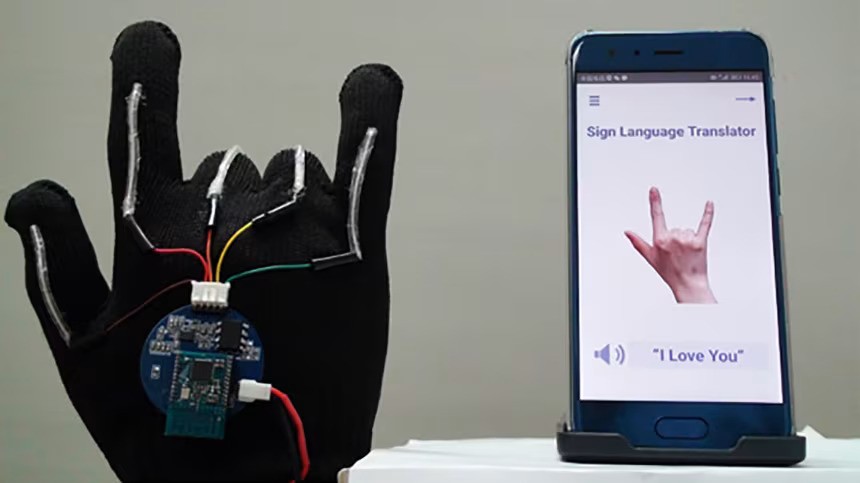
The prototype is a wearable glove fitted with flex sensors that detect finger movements and hand positions associated with American Sign Language.
Sign language remains an important bridge, but not everyone can use it. While assistive technologies have improved over the years, many are still expensive or difficult to adopt widely. Some commercially available sign language translation gloves can cost thousands of dollars, placing them out of reach for many individuals and communities, especially in developing countries.
This accessibility gap led researchers from multiple institutions, including INTI International University, to explore a wearable sign language interpreter that translates hand gestures into text and speech using sensor technology and machine learning.
The study was co-authored by Dr Choo Wou Onn, Senior Lecturer from the Faculty of Data Science and Information Technology at INTI International University, who said technology should not only be built for convenience, but also for accessibility.
“Many assistive technologies available today are still too expensive for everyday users. We wanted to explore whether a simpler and more affordable approach could still produce reliable results,” he said.
The prototype is a wearable glove fitted with flex sensors that detect finger movements and hand positions associated with American Sign Language. The data is then processed by a machine learning system trained to recognise different gestures before converting them into readable text and audio output in real time.
According to the research findings, the system achieved an accuracy rate of 92 per cent, showing its potential as an accessible communication aid for deaf and hard-of-hearing individuals.

Dr Choo Wou Onn, Senior Lecturer from the Faculty of Data Science and Information Technology at INTI International University, co-authored the study on a wearable sign language interpreter designed to improve communication accessibility for deaf and hard-of-hearing individuals.
Unlike some systems that rely on cameras or advanced image-processing technology, the researchers used a wearable sensor-based approach. This helps lower costs, improve portability, and reduce the need for complex hardware.
The glove was developed using relatively affordable and readily available components, including flex sensors, a microcontroller, and an accelerometer. The team then trained a machine learning model to identify patterns from the sensor data collected during sign language gestures.
“There is a lot of discussion today about AI and smart technologies, but accessibility is sometimes overlooked. We wanted to develop something that is not only functional, but also potentially affordable and usable in real-world situations,” Dr Choo said.
The research points to a wider issue: communication barriers can affect education, employment, healthcare access, and social participation for people with hearing impairments. In many communities, access to interpreters or specialised communication tools remains limited, especially outside urban centres or in underfunded areas.
The study also connects with broader efforts to make education and technology more inclusive. The United Nations Sustainable Development Goal 4 highlights the importance of inclusive and equitable quality education for all, including persons with disabilities.
Dr Choo said the value of the project lies in how technology can support confidence and independence in daily life.
“Communication affects almost every part of daily life,” he said. “If technology can help make interactions easier, whether in classrooms, workplaces, or public spaces, then it can have a meaningful impact on people’s confidence and independence.”
As artificial intelligence continues to shape daily life, the study shows that the real value of technology lies not only in becoming smarter, but also in becoming more accessible, affordable, and useful when communication matters most