Financial literacy is often treated as something people pick up later in life, but for students at INTI International College Subang (IICS), it should start much earlier.
With this in mind, the IICS’ AKPK (Agensi Kaunseling & Pengurusan Kredit) Club organised “Cents & Sensibility”, a community initiative in collaboration with Yayasan Chow Kit to introduce children and youth to basic financial concepts through interactive learning.
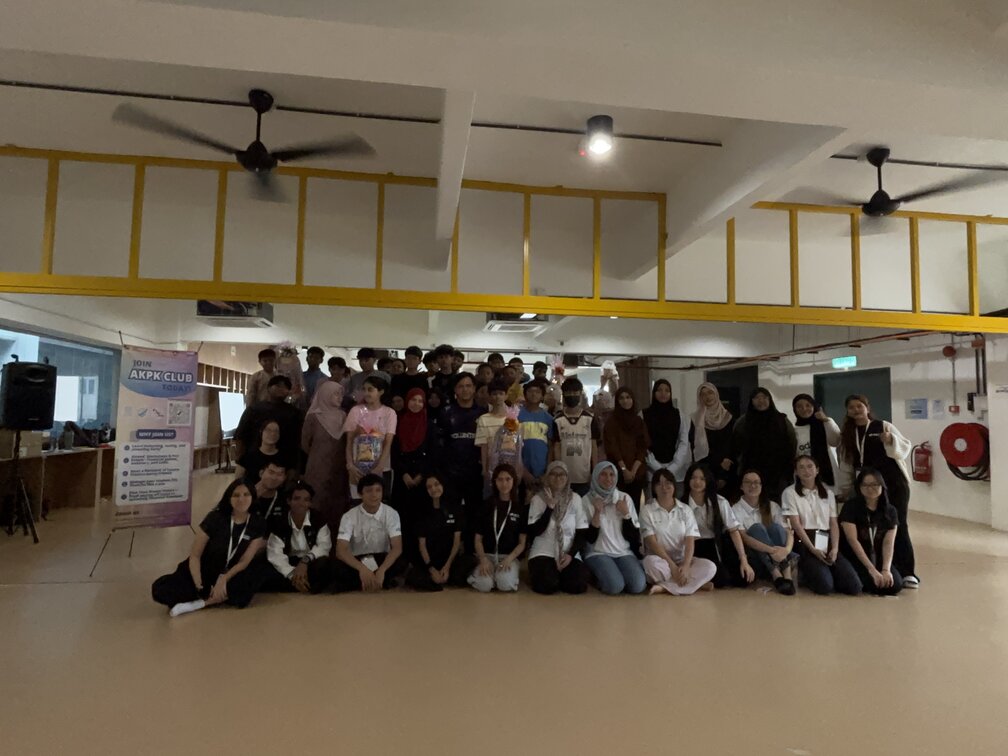
Student volunteers and participants from Yayasan Chow Kit gather for a group photo after completing the “Cents & Sensibility” financial literacy initiative.
Rather than relying on conventional teaching methods, the students designed a series of game-based activities to make concepts such as budgeting, saving, and decision-making easier to grasp. Through games like Jenga, bidding challenges, and role-play scenarios, participants were encouraged to make choices, think through outcomes, and see the consequences of their decisions in a safe and engaging setting.
For Lim Yee Fei, a second-year American University Programme (AUP) student and Vice President of the IICS AKPK Club, the idea came from a gap she had observed in early financial education.
“Money management is something many young people are not exposed to until much later in life, by which time certain habits have already formed,” she said. “We wanted to introduce these concepts earlier and give them a head start.”
The decision to work with Yayasan Chow Kit was equally intentional. Having collaborated with the organisation before, the team saw an opportunity to continue supporting a community where access to financial education is not always readily available.
As Daniel Grimaldi Casiraghi Yong, a second-year Bachelor of Business (International Business) 3+0 in collaboration with Swinburne University of Technology student and Secretary of the IICS AKPK Club, explained, “We couldn’t just teach theory, so we turned everything into games they could understand. When they’re having fun, they’re actually learning without realising it.”
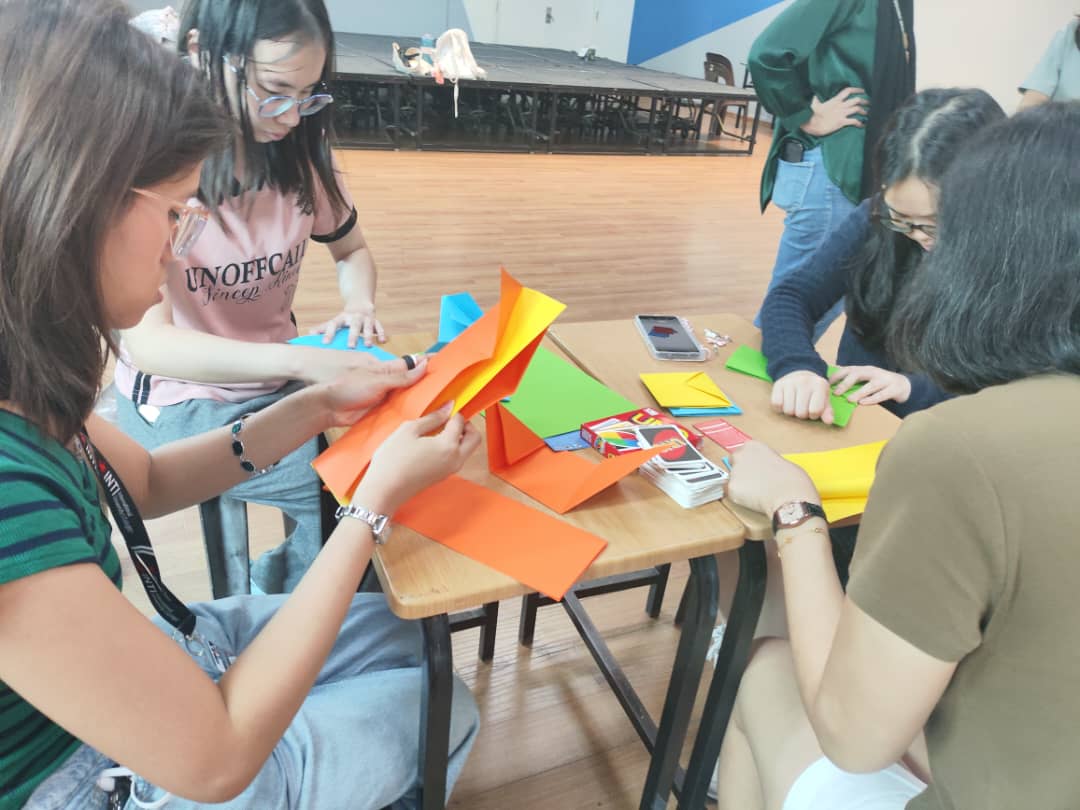
INTI students facilitate interactive, game-based learning activities designed to introduce budgeting and decision-making concepts in an engaging and accessible way.
The children responded quickly to the interactive format. According to the student organisers, activities that involved risk and uncertainty drew the most engagement, prompting participants to think on their feet and make decisions under pressure.
“The more interactive the games, the more the children responded. It didn’t feel like a lesson, which made it easier for them to absorb the concepts,” said Lee Ming Yen, a third-year Bachelor of Business (International Business) 3+0 in collaboration with Swinburne University of Technology student and President of the IICS AKPK Club.
From Yayasan Chow Kit’s perspective, initiatives like these address a much larger need.
“Financial literacy is absolutely critical. Many of the children we work with come from underserved backgrounds where financial instability is a daily reality. Equipping them with basic knowledge gives them a practical foundation to build more secure futures,” said Batrisyia Balqis Abdul Latiff, Head of Programme at Yayasan Chow Kit.
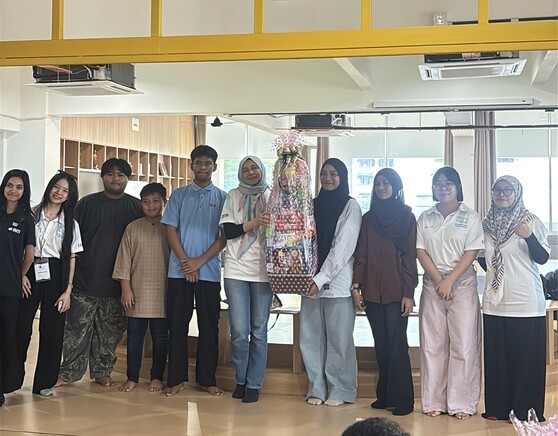
Students from the IICS AKPK Club presenting a token of appreciation to representatives of Yayasan Chow Kit following the end of the “Cents & Sensibility” programme.
She added that introducing financial concepts early plays an important role in shaping long-term habits, helping young individuals build resilience and independence.
The programme also created space for the children to build confidence and develop a sense of agency.
“These initiatives are transformative. The children gain not only financial understanding, but also confidence and a clearer pathway towards a more self-sufficient future,” she said.
For the student volunteers, the experience reinforced the idea that financial literacy goes beyond numbers.
“It’s really about mindset,” Yee Fei said. “Starting young gives them time to build a healthier relationship with money and carry those habits into adulthood.”
Through initiatives like “Cents & Sensibility”, students are finding ways to apply what they learn in practical settings, making complex ideas easier to understand for those who need it most.