For individuals living with anxiety or deep-seated fears, mental health challenges often surface in everyday situations such as crowded spaces, public speaking, or enclosed environments. While Cognitive Behavioural Therapy (CBT) is widely recognised as an effective treatment for conditions such as anxiety disorders, phobias, and post-traumatic stress disorder (PTSD), traditional approaches may not work for everyone.
This is where Virtual Reality (VR), a technology commonly associated with gaming and entertainment, is increasingly being explored as a tool to support mental health treatment. Prof. Ir. Dr Leong Wai Yie, Senior Professor at the Faculty of Engineering & Quantity Surveying, INTI International University, has examined how VR can be applied to enhance CBT, particularly in addressing challenges linked to exposure-based therapy.
CBT typically relies on guided conversations, imagination-based exposure, and real-world behavioural exercises to help individuals recognise and reframe unhelpful thought patterns. However, these methods can be less effective when patients struggle to visualise feared situations or when real-life exposure is unsafe, impractical, or emotionally overwhelming.
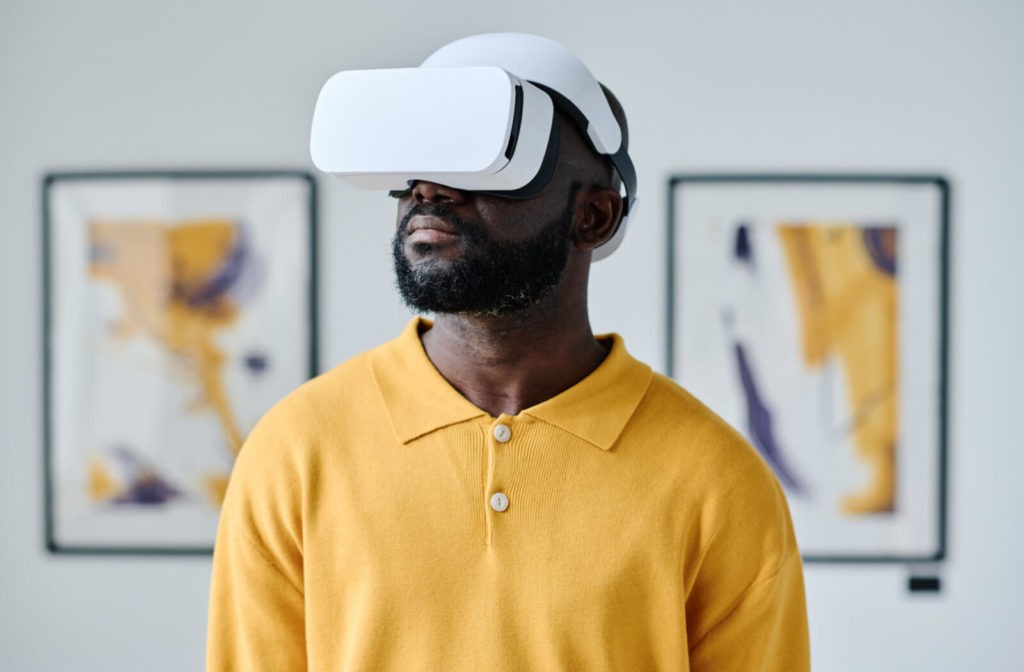
Virtual Reality technology is being explored as a tool to support and enhance mental health treatment.
Prof. Leong’s research explores how VR can help address these limitations by providing structured, simulated environments within therapeutic settings. “Virtual Reality allows therapy to move beyond imagination alone,” she explained. “By placing individuals directly into simulated situations, VR enhances exposure therapy, cognitive restructuring, and behavioural activation in ways that traditional methods often cannot replicate consistently.”
One key strength of VR-assisted CBT is its ability to engage patients. Immersive environments help individuals remain present and emotionally focused during therapy sessions, which is particularly valuable for patients who may feel anxious, disconnected, or overwhelmed during conventional talk therapy.
Mental health services in Malaysia and globally continue to face challenges such as limited access to trained professionals, high treatment costs, and social stigma that discourages individuals from seeking help. Within this context, VR offers a flexible platform that may support therapy delivery across different settings.
“VR-based interventions offer the potential to expand access to therapy by reducing reliance on complex real-world arrangements and enabling scalable treatment solutions,” Prof. Leong said.

Prof. Ir. Dr Leong Wai Yie, Senior Professor at the Faculty of Engineering & Quantity Surveying, INTI International University, whose research examines the use of Virtual Reality to enhance Cognitive Behavioural Therapy.
For individuals who are hesitant to attend face-to-face sessions or who live in underserved areas, VR-assisted therapy could provide an alternative pathway to care. A contributing factor is the level of control VR offers therapists and patients alike, allowing therapy to progress at a pace that feels safe and manageable.
At the same time, Prof. Leong acknowledges existing challenges associated with VR-based therapy, including equipment costs, infrastructure requirements, and the need for trained professionals to implement the technology effectively. However, these barriers are gradually diminishing as VR hardware becomes more affordable and software continues to advance.
Looking ahead, the research points to opportunities to strengthen further therapeutic delivery by integrating VR and artificial intelligence (AI).
“The convergence of VR and AI presents significant potential for creating intelligent, responsive therapeutic environments that can better meet individual needs,” Prof. Leong said.