When small businesses come under pressure, the decisions their leaders make can affect more than just profit and operations. They can shape whether employees feel supported, whether clients continue to trust the business, and whether the organisation can stay steady during uncertain periods.
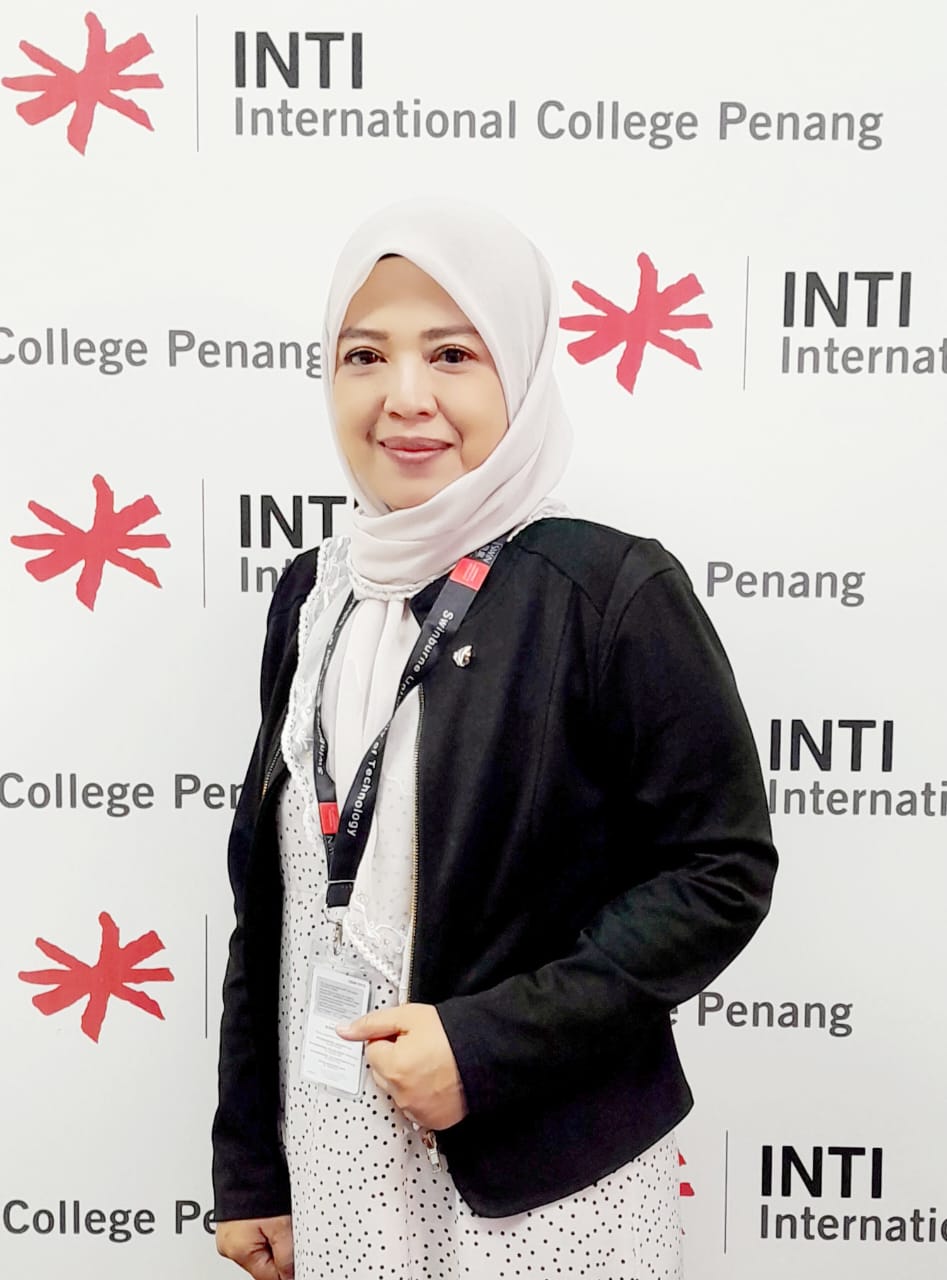
Dr Rus Sumariyanti Surin from the Centre for Australian Degree Programmes at INTI International College Penang researched how spiritual values such as honesty, charity, and religion can contribute to SME resilience in high-risk industries.
New research from INTI International College Penang suggests that for Malaysian small and medium enterprises, values such as honesty, charity, and religious grounding may play an important role in helping leaders manage pressure and sustain trust.
Conducted by Dr Rus Sumariyanti Surin from the Centre for Australian Degree Programmes at INTI International College Penang, the research was published in the Advanced International Journal of Business, Entrepreneurship and SMEs. The study examined how SME leaders manage operational disruptions, leadership challenges, and business uncertainty through values-based workplace practices and decision-making.
SMEs remain an important part of Malaysia’s economy, contributing significantly to national GDP and employment. Yet many continue to face rising costs, supply chain disruptions, talent retention issues, and volatile market conditions.
For SMEs operating in high-risk industries such as construction and oil and gas services, trust can be especially important. Business relationships, workforce morale, and reputation often influence how well an organisation can respond when pressure builds.
“What sustains organisations during difficult periods is not only operational capability, but also the values guiding leadership decisions and workplace culture,” said Dr Rus.
“During periods of uncertainty, ethical and spiritual values can help leaders maintain emotional stability, strengthen employee trust, and make clearer long-term decisions.”
The research identified three interconnected values that shaped organisational resilience among the SMEs studied: honesty, charity, and religion.
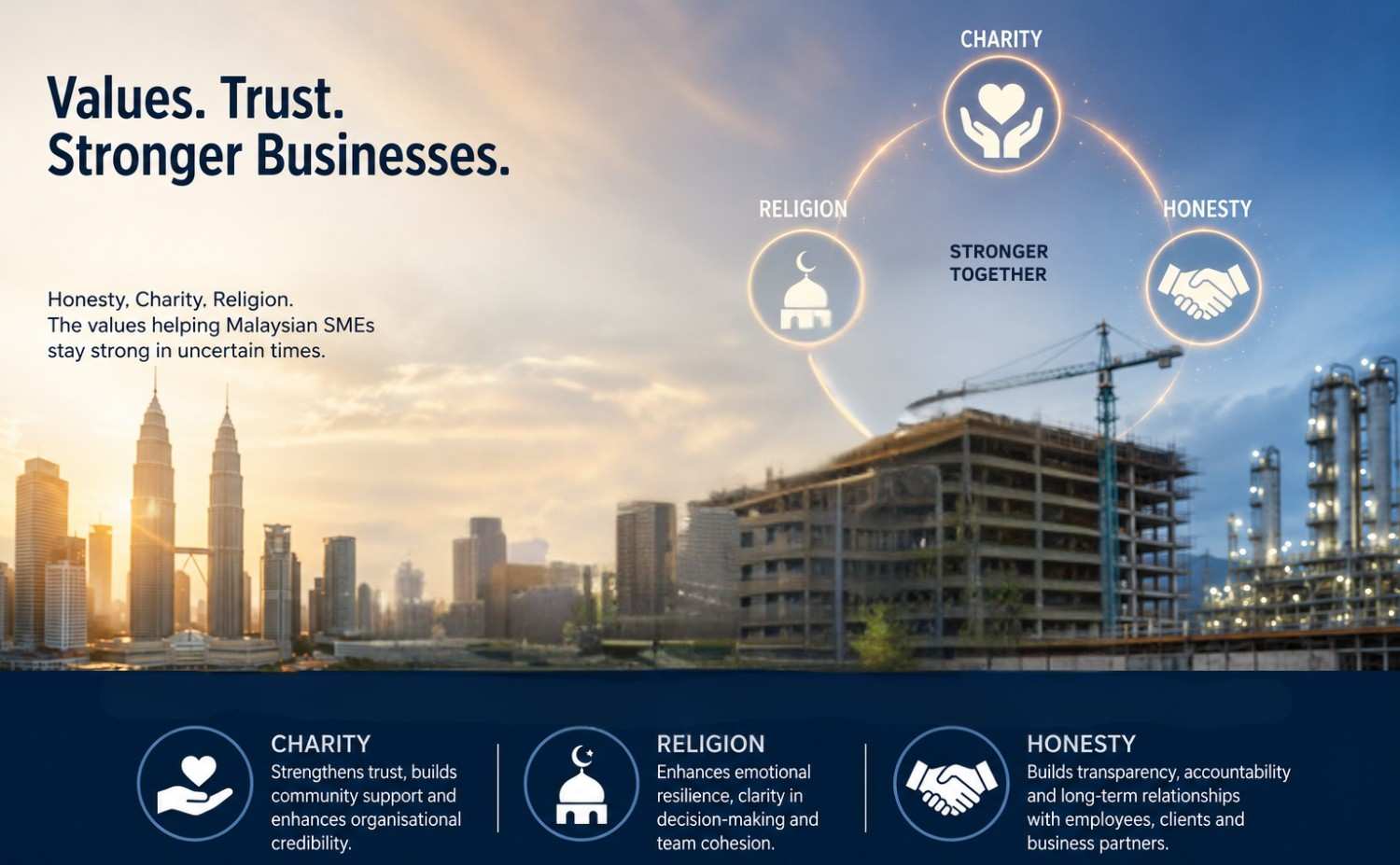
As Malaysian SMEs face growing economic pressure, research from INTI International College Penang suggests that trust, integrity, and values-based leadership can support long-term business resilience.
Honesty emerged as a key factor in building transparency and accountability. SMEs that prioritised integrity were better able to maintain trust with employees, clients, and business partners, allowing them to respond to challenges with greater confidence.
Charitable practices, including community support and zakat contributions, were also found to strengthen stakeholder relationships and organisational credibility. For some businesses, these relationships became important support systems during periods of disruption and economic pressure.
The study also found that religious practices such as prayer and reflection helped some leaders manage stress, strengthen personal discipline, and maintain a sense of purpose in high-pressure work environments.
According to Dr Rus, these findings show that business resilience is not built through financial planning or operational strategy alone. It is also shaped by how leaders treat people and how trust is built across the organisation.
“Technology and business strategy remain important, but long-term resilience also depends on integrity, trust, and the ability to sustain strong human relationships,” she said.
“For many Malaysian SMEs, spirituality is not separate from business operations. It influences how leaders support employees, respond to challenges, and maintain organisational stability during difficult periods.”
The study points to the importance of human-centred leadership in sectors where reputation, relationships, and workforce morale can affect long-term stability. For SMEs that may not have the same financial resources as larger corporations, ethical and spiritual values may offer a practical way to guide decisions, support employees, and maintain confidence among clients and partners.
As businesses continue to navigate uncertain conditions, the research adds to wider discussions on sustainable business practices, leadership resilience, and ethical workplace culture. It suggests that for many SMEs, staying resilient may depend not only on systems and strategy, but also on the values that guide everyday decisions.