Research led by Prof. Dr Goh Khang Wen, Pro Vice-Chancellor (Global Engagement) of INTI International University, in collaboration with researchers from universities in Morocco and Saudi Arabia, is examining the scientific potential of ajoene, a sulphur-containing compound derived from garlic.
Garlic is a familiar ingredient in kitchens around the world, valued for its flavour and long associated with health and wellbeing. Yet beyond its culinary role, it undergoes chemical changes when crushed or chopped. These natural reactions lead to the formation of bioactive compounds, including ajoene.
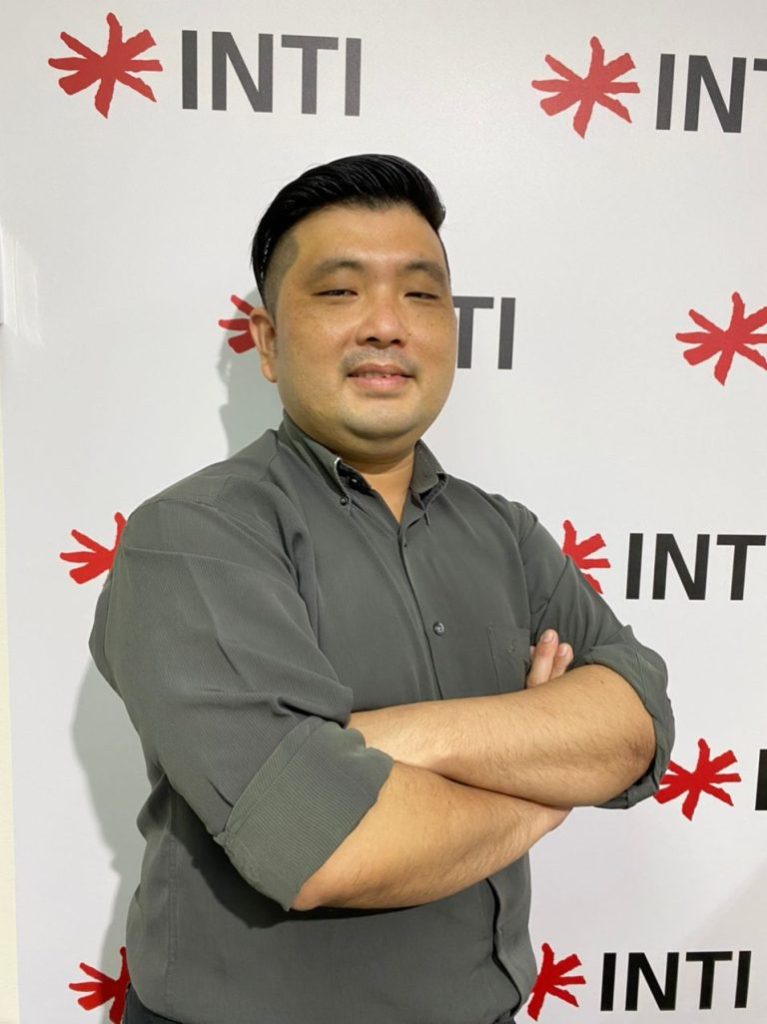
Prof. Dr Goh Khang Wen, Pro Vice-Chancellor (Global Engagement) of INTI International University, led collaborative research examining the scientific potential of garlic-derived compound ajoene.
In many Malaysian households, cooking often begins with heating oil and lightly frying crushed garlic. While this may seem routine, the process triggers molecular transformations within the cloves. These reactions form the basis of laboratory investigation.
The collaborative research explores how ajoene behaves at a biological level and why it has attracted growing scientific attention. Studies have examined its diverse activities, contributing to discussions in biotechnology and health sciences.
“Ajoene is a bioactive sulphur compound derived from garlic that has demonstrated diverse biological activities in scientific studies, ranging from anti-inflammatory and antioxidant effects to potential neuroprotective and anticancer properties,” said Prof. Dr Goh.
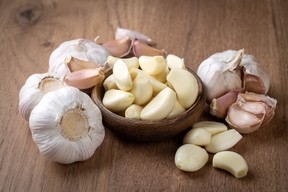
: In many Malaysian households, cooking begins with heating oil and frying crushed garlic — a process that triggers natural chemical reactions within the cloves.
By linking laboratory findings to familiar cooking practices, the research offers a practical way to explain complex biomedical concepts. Garlic provides a relatable starting point for understanding how natural compounds function in the body.
“Innovation does not always begin with something unfamiliar,” he added. “Sometimes, it starts with ingredients that are already part of our daily lives. By studying natural compounds like ajoene, we can better understand how science translates everyday observations into potential future solutions.”
The study also reflects the interdisciplinary nature of modern research. Scientists are working across biotechnology and health sciences to understand better how naturally occurring compounds may contribute to future health strategies.
At the same time, Prof. Dr Goh emphasised that although laboratory findings on ajoene are encouraging, further clinical studies are needed to determine its safety and potential for human application. He stressed the importance of communicating research responsibly so the public understands both its possibilities and its current limitations.
Through international collaboration and cross-disciplinary research, INTI International University continues to contribute to ongoing conversations in health science, demonstrating how everyday ingredients can inspire meaningful scientific inquiry.
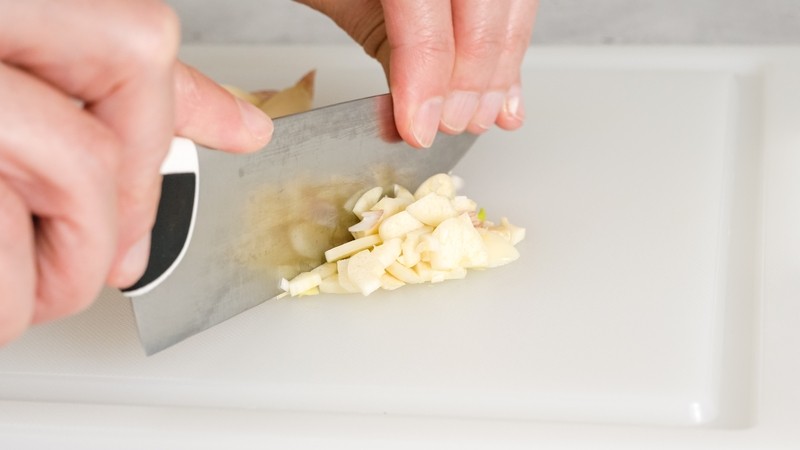
When garlic is crushed or chopped, natural reactions produce bioactive compounds, including ajoene, which has drawn increasing scientific interest