
Managing People for Sustainable Service Advantage
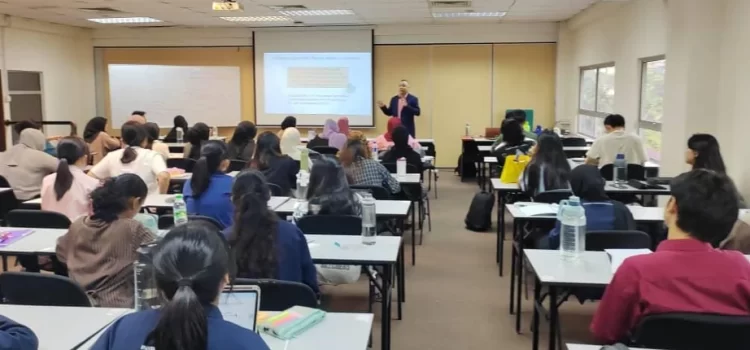
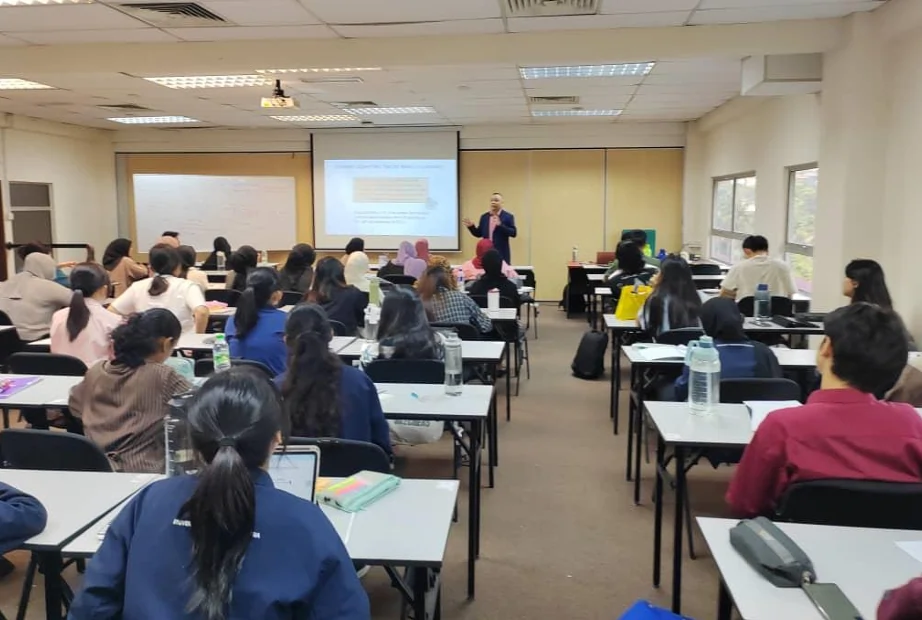
A programme on Managing People for Service Advantage was conducted at Yantai Nanshan University, China, on 17 November 2026, in
Statistical quality control (SQC) methodology has been well recognized as a systematic approach for continuous quality improvement. Hence, SQC is adopted widely by both manufacturing and service industries as part of their operational strategy to improve quality performance. Holistically, SQC methodologies could be grouped into two categories, which are detection based methodology, such as Sampling Inspection, Statistical Process Control (SPC); and prevention methodology for instance Process Capability study, Design for Manufacturability (DFM).
Findings from literature review suggested that the implementation of SQC methodology does improved organizational quality improvement. However, SQC methodology is generally viewed by prior researchers as single entity without exploring the attribution or type of SQC methodologies that are driving quality performance. Hence, this research close the literature gap by assessing the application level of each SQC methodology within Small and Medium Enterprises (SME) manufacturers in Johor Bahru (JB), and explore the relationship between implementation level of SQC methodologies and quality performance.

A programme on Managing People for Service Advantage was conducted at Yantai Nanshan University, China, on 17 November 2026, in

INTI International University collaborated with Yantai Nanshan University, China, on 27 October 2026 to enhance lecturers’ knowledge and understanding of
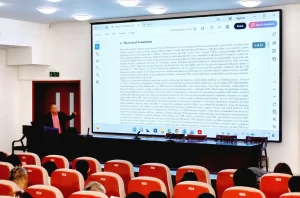
Developing a conceptual paper from an existing academic thesis offers researchers an opportunity to extend the value of their research.

INTI International University puts inclusive education into practice through Building Inclusive Learning Pathways for Neurodivergent Learners, a University Social Responsibility