Research Literacy, Academic Writing Competence, and Publication
A programme on Research Literacy, Academic Writing Competence, and Publication was conducted to enhance research capabilities among students and lecturers. Each session benefits approximately 40 to 60 participants, with an estimated indirect impact on over 200 stakeholders annually.
The programme focuses on building strong foundations in research literacy, academic writing, and publication. Within 3 to 12 months, it aims to produce tangible outcomes such as research manuscripts, journal publications, grant applications, and increased institutional visibility. It also contributes to the local knowledge economy by supporting research funding opportunities, partnerships, and potential commercialisation.
Impact on Participants
Students
Students developed stronger academic writing and research skills, along with better understanding of research methodology and publication processes. They gained confidence in preparing manuscripts for indexed journals such as Scopus and WoS. The programme also supports their employability, postgraduate readiness, and critical thinking, while encouraging ethical research practices.
Lecturers
Lecturers benefited through improved research productivity and higher publication output. The programme also strengthened their ability to supervise postgraduate students and increased their success in securing research grants and collaborations. These outcomes contribute to improved institutional research performance and visibility.
Community
The programme supports the wider community by promoting faster sharing of research findings that are relevant to local needs. It encourages the development of evidence-based solutions for social, environmental, and industry-related challenges. In addition, it enhances knowledge transfer to industries, schools, SMEs, and policymakers, while strengthening engagement between the university and the community.
More Posts

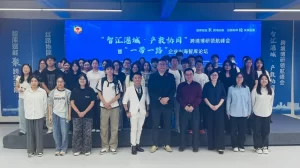
Cross-border life science education and research collaboration under the background of industrial integration
This Cross-border life science education workshop highlights the growing importance of cross-border collaboration in life sciences education and research in
Supporting Lives Across Three Indigenous Villages
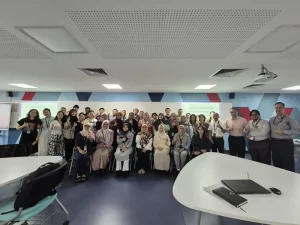
A one-day charity initiative was carried out with indigenous communities in Negeri Sembilan, involving three villages—Kampung Bari, Charik, and Kelapi.
Exploring Genomics in Medicinal Plant Research
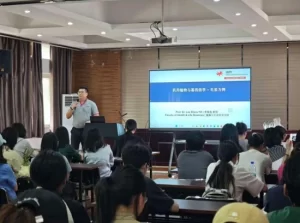
A workshop on Medicinal Plants and Omics provided a scientific introduction to the role of genomic approaches in medicinal plant
Advancing Clean Energy Through AI and Data Analytics
A session on Recent Trends Shaping Computer Science and Data Analytics for Affordable and Clean Energy explored how Industry 4.0